Introduction
Scientific reasoning is an essential skill for medical students, helping them to formulate hypotheses, design experiments, and interpret data effectively. This cross-sectional observational study aimed to evaluate scientific reasoning levels among 113 medical students from both a public university and a military university in Mexico, using the Lawson Classroom Scientific Reasoning Test.
Methods
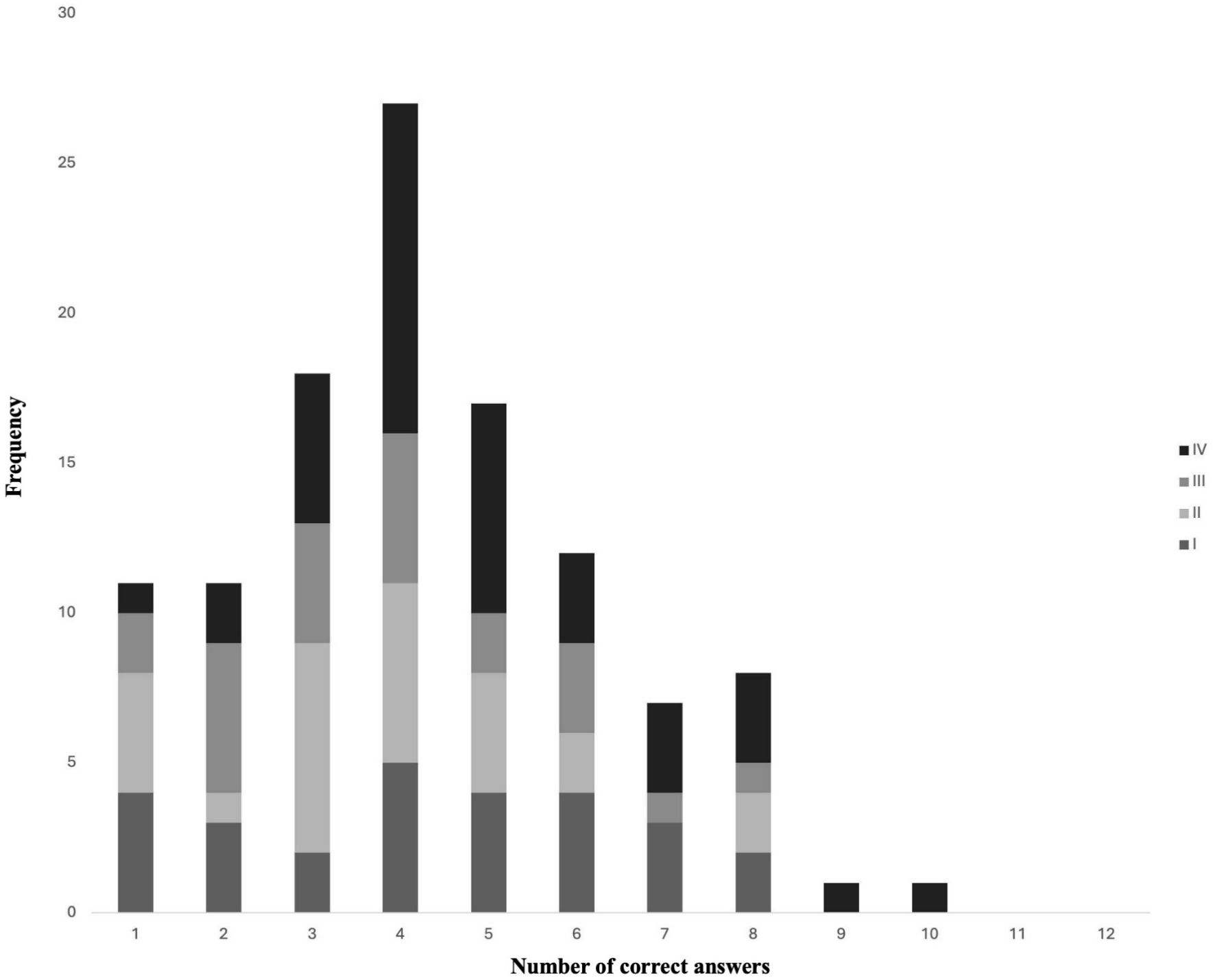
The test included 12 items, each requiring justification of the response. Data analysis involved normality tests (Kolmogorov–Smirnov and Shapiro–Wilk) and an ANOVA with Tukey’s post-hoc comparisons.
Results
The findings showed that 67.26% of students demonstrated concrete reasoning, 31.86% were at the transitional formal stage, and only 0.88% attained the post-formal level. No significant differences were observed between the two groups.
Conclusion
These results highlight the importance of enhancing scientific reasoning in medical education. While the Lawson Test is a useful assessment tool, it should be complemented by broader educational strategies to cultivate deeper critical thinking skills during medical training.