Background
Multiple sclerosis (MS) and neuromyelitis optica spectrum disorders (NMOSDs) are characterized by relapses that contribute to accumulating disability. Over the past decade, monoclonal antibodies have increasingly replaced standard interventions (placebo or conventional immunosuppressants) due to their superior control of relapses and inflammatory activity.
Methods
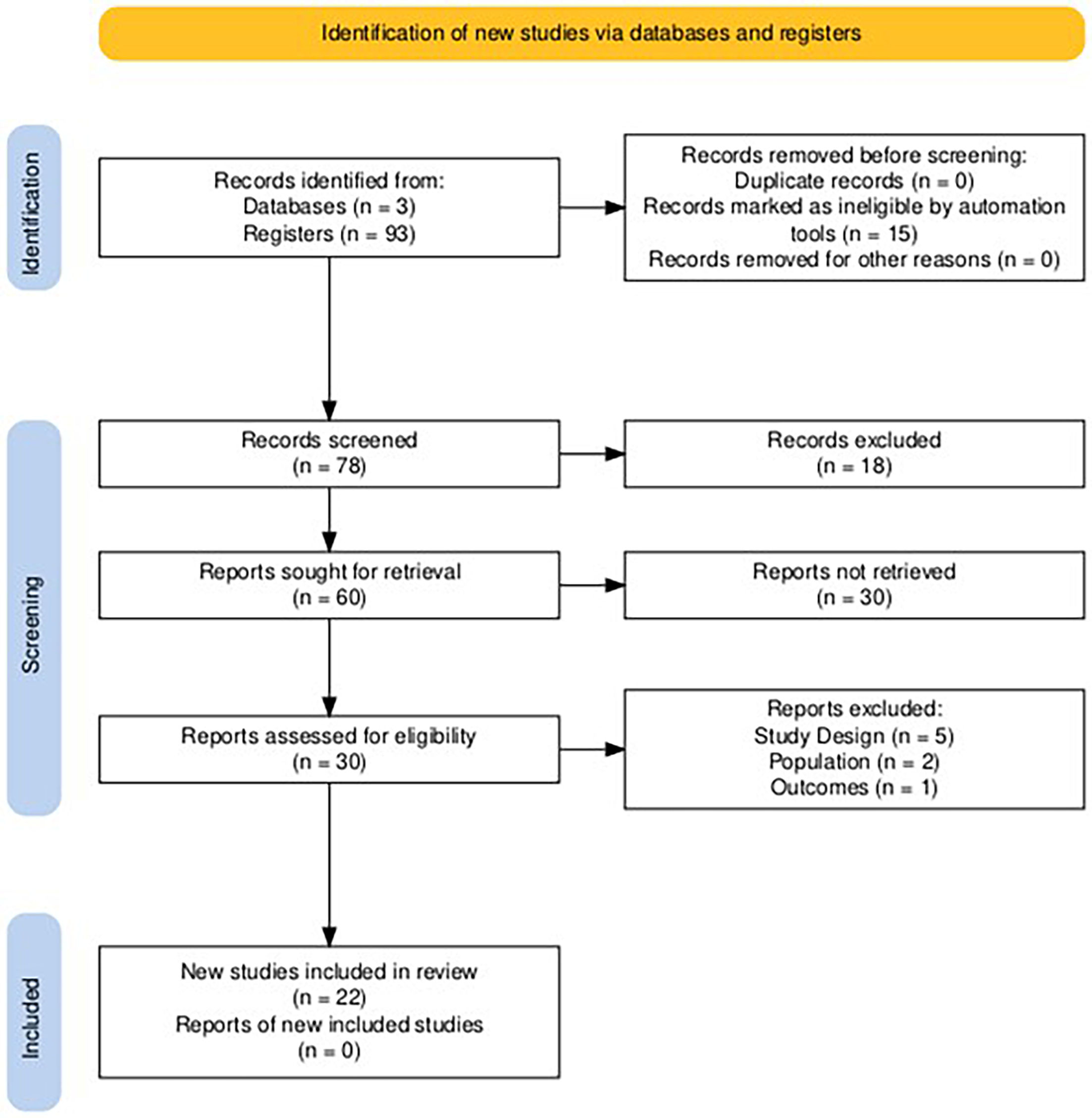
Systematic review conducted in accordance with PRISMA guidelines, including randomized clinical trials evaluating biologics (e.g., anti-CD20/19, anti-IL-6R, anti-C5) against relevant comparators. Two reviewers independently selected studies, extracted data, and assessed risk of bias using RoB 2. Primary outcomes: annualized relapse rate (ARR), time to first relapse (hazard ratio), and serious adverse events (including infections). Secondary outcomes: relapse-free status, disability progression, and treatment discontinuation due to adverse events.
Results
A total of 22 RCTs were included. In MS, anti-CD20 agents (ofatumumab, ocrelizumab, ublituximab) significantly reduced ARR compared to teriflunomide or placebo (relative risks ∼0.41–0.51), with marked reductions in new MRI lesions. In AQP4-positive NMOSD, eculizumab demonstrated the largest treatment effect (ARR 0.02 vs 0.35; 94–96% relapse-free vs 40–45%; relapse HR ∼0.05–0.06), representing the most prominent numerical finding of the review. Satralizumab (HR 0.21–0.45) and inebilizumab (HR 0.28) also reduced relapse risk significantly. However, 68.2% of trials were judged as having “some concerns” and 18.2% as “high” risk of bias, moderating overall confidence in the findings.
Conclusion
Biologics outperform standard interventions for relapse prevention in MS and AQP4-positive NMOSD, with generally acceptable safety profiles. Nevertheless, the heterogeneity of populations, allowance for concomitant treatments in key trials, and the predominance of RCTs with non-low risk of bias necessitate cautious interpretation. Further high-quality, head-to-head trials with longer follow-up are needed to better define their comparative effectiveness and safety.