Área salud

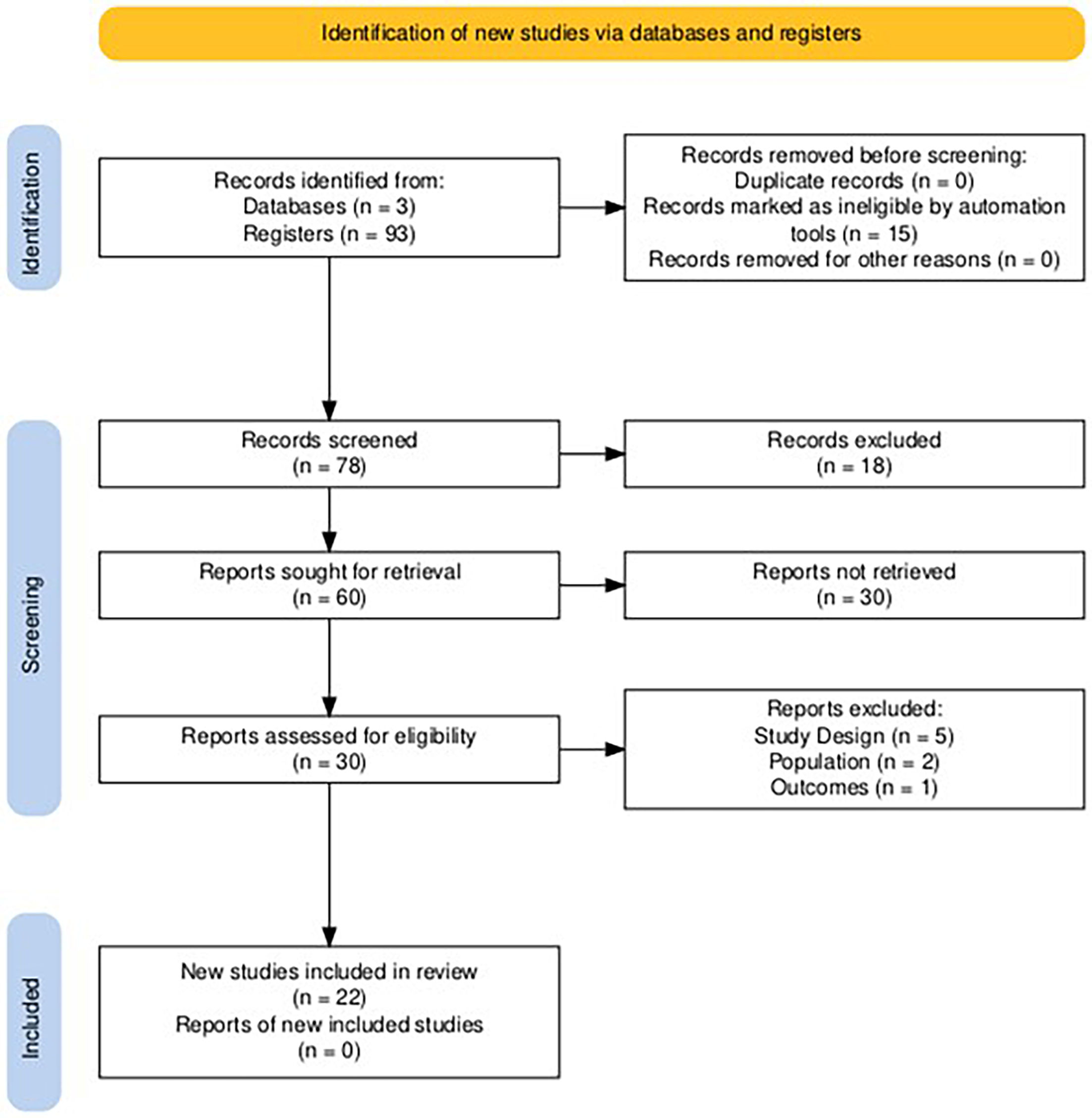
Background Multiple sclerosis (MS) and neuromyelitis optica spectrum disorders (NMOSDs) are characterized by relapses that contribute to accumulating disability. Over the past decade, monoclonal antibodies have increasingly replaced standard interventions (placebo or conventional immunosuppressants) due […]
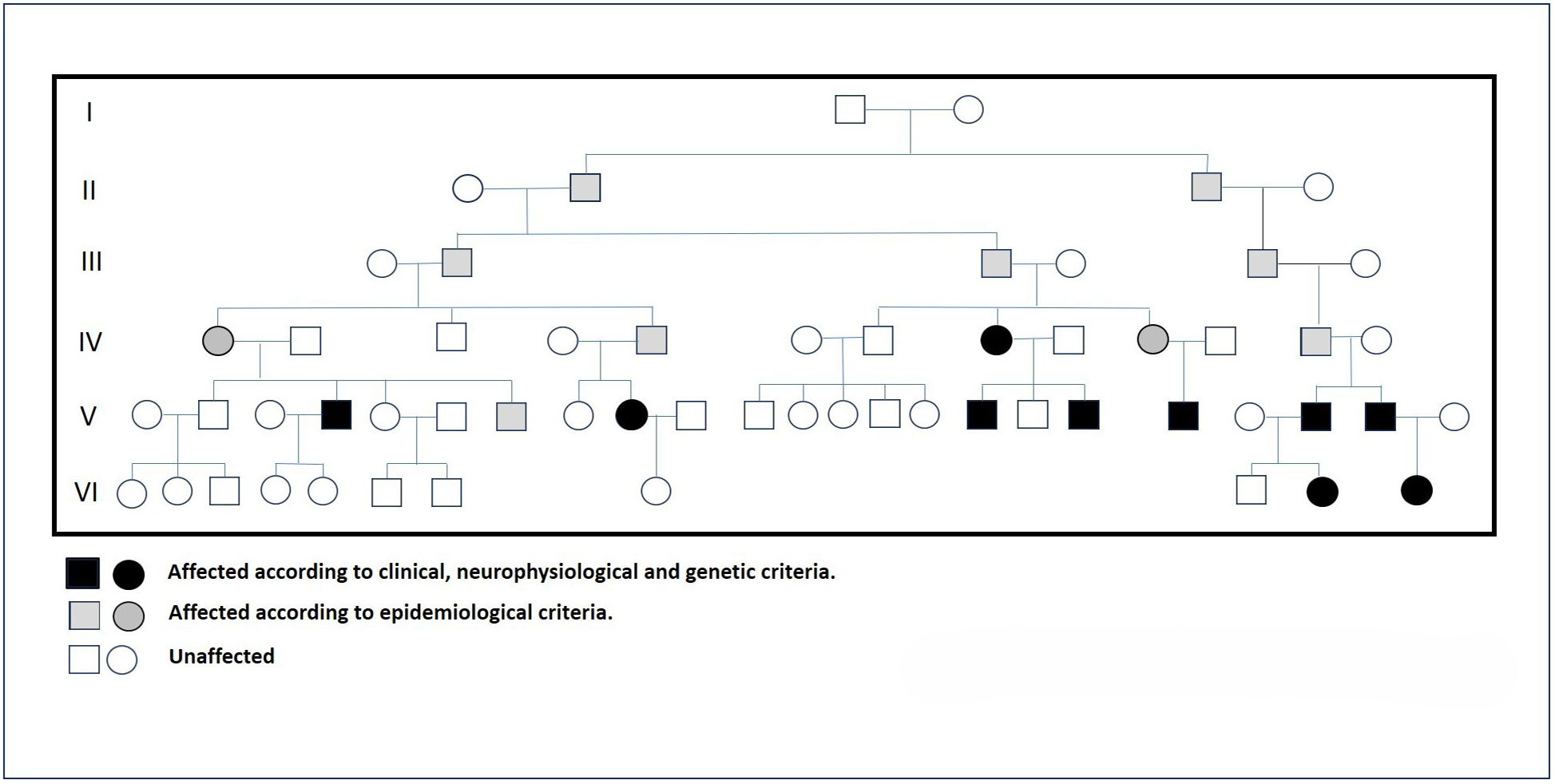
Objective The presence of a new epidemiological focus of Familial Amyloidotic Polyneuropathy (FAP) is reported. Methods The demographic, clinical and genetic characteristics of the study are analyzed. Results The prevalence in this new focus is […]
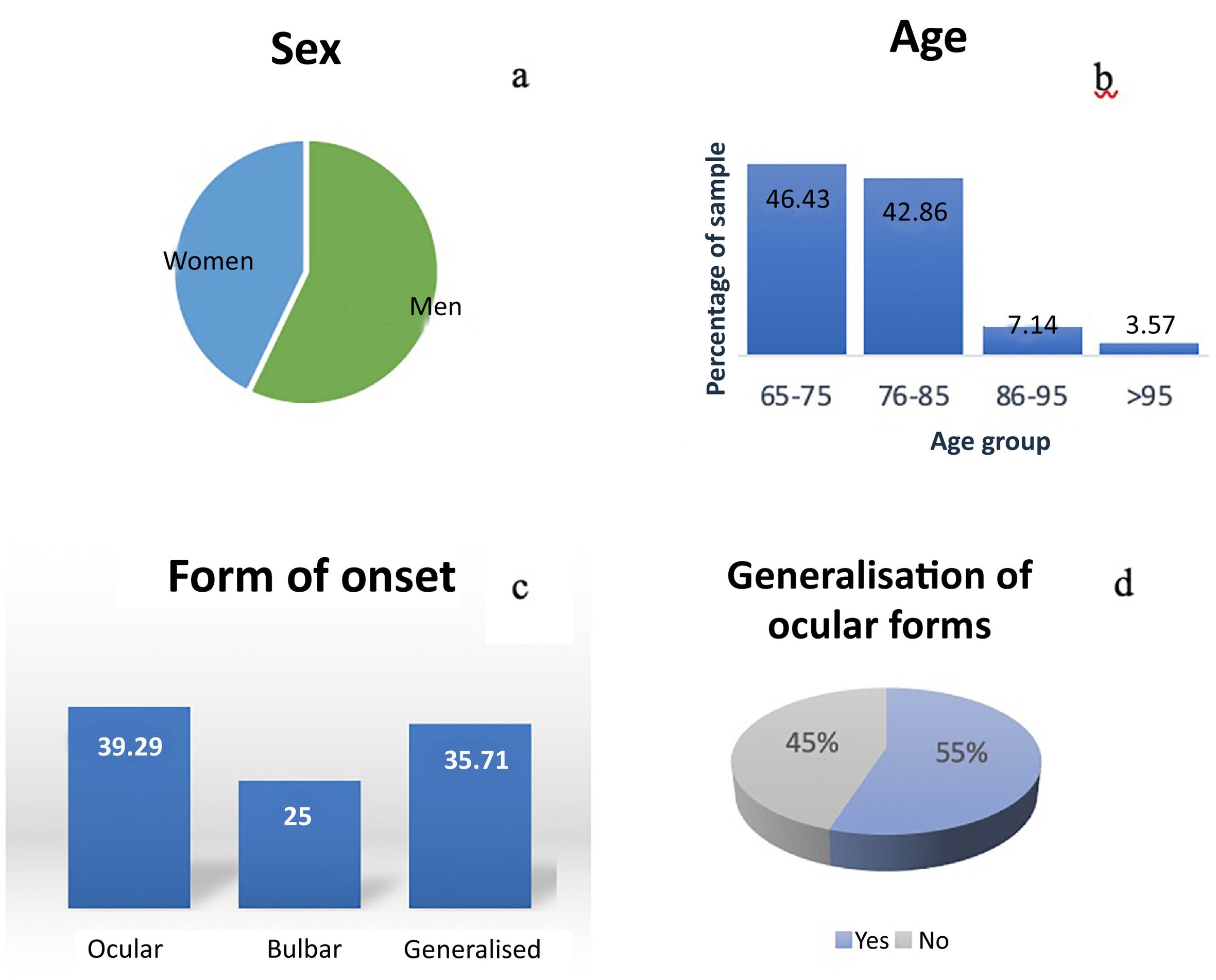
Introduction Myasthenia gravis (MG) is an autoimmune disease affecting the neuromuscular junction. Given the increase observed in its incidence in recent decades, especially in older ages, understanding its characteristics is crucial to improving its diagnosis […]
Background Neuromyelitis Optica Spectrum Disorder (NMOSD) is an autoimmune, inflammatory disorder of the Central Nervous System that typically involves the spinal cord, optic nerves, and area postrema. Descriptions of area postrema syndrome (APS) in Latin […]
Introduction Cerebrovascular disease is the leading cause of epilepsy in adults. Epilepsy secondary to acute ischemic stroke (AIS) is associated with worse outcomes. The prevalence varies in different studies. Risk factors for this condition have […]