
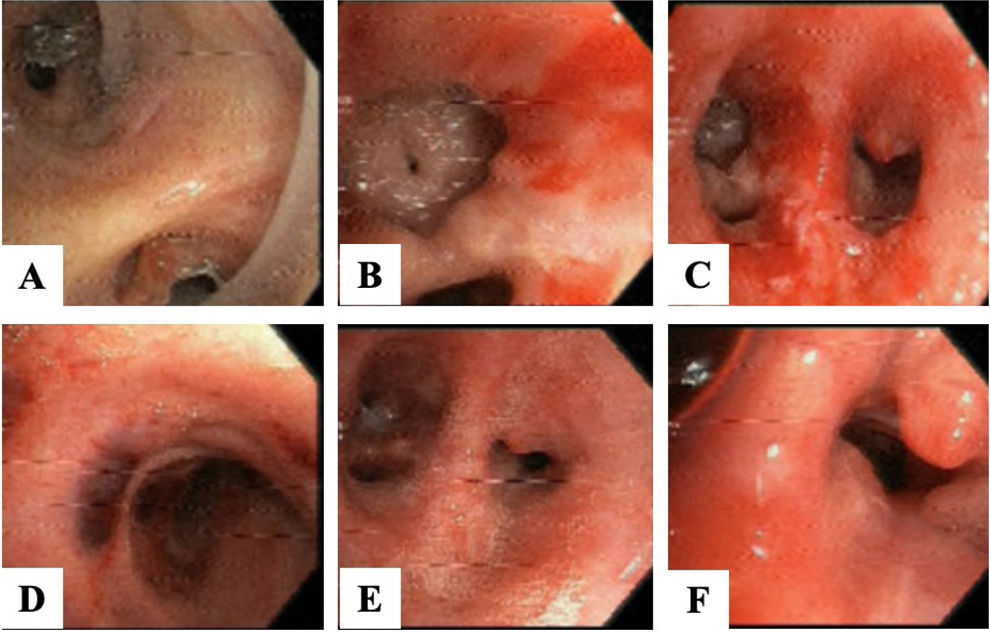
Endoscopic lung volume reduction (ELVR) using endobronchial valves (EBV) has become established as a therapeutic option in patients with advanced COPD. Although infectious complications associated with this procedure are rare, the creation of functionally isolated lung segments and the presence of prosthetic surfaces can promote secretion retention and biofilm formation, predisposing patients to the development of persistent infections caused by opportunistic microorganisms. We present the case of a patient who underwent ELVR with EBV implantation and developed functional deterioration secondary to a Mycobacterium kansasii infection as a complication of the procedure. This case suggests that relative hypoxia induced by EBVs, theoretically a limiting factor for bacterial growth, could paradoxically contribute to creating a niche for slow-growing bacteria such as mycobacteria.