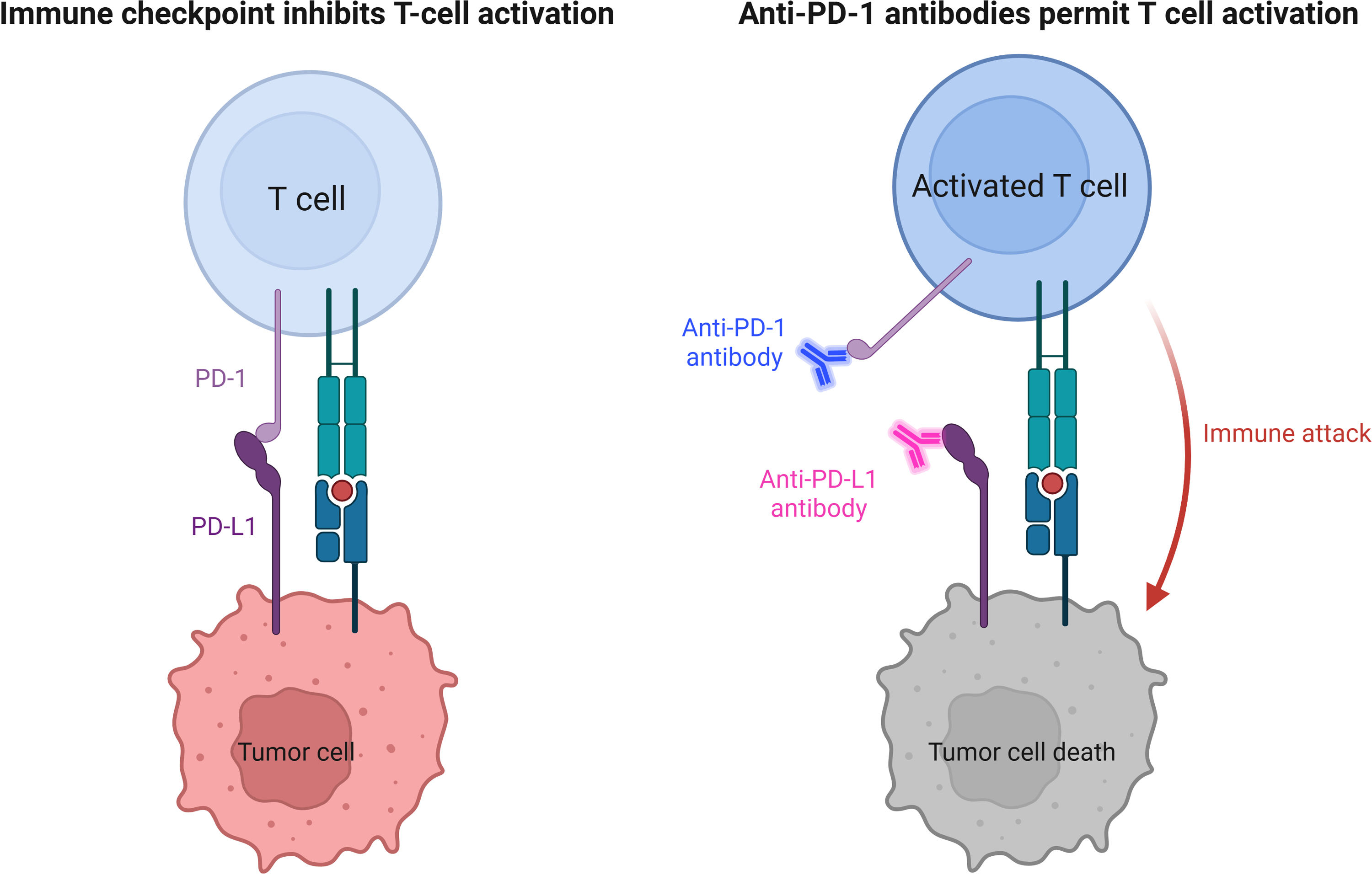
Immune checkpoint inhibitors associated interstitial lung diseases (ICI-ILD) affect approximately 2–5% of patients receiving immunotherapy and represent one of the most serious and potentially life-threatening immune-related adverse events. The pathogenesis remains incompletely elucidated; however, current understanding suggests a multifactorial etiology involving immune dysregulation, genetic susceptibility, and pre-existing pulmonary vulnerability. ICI-ILD can occur at any time during immunotherapy, with a median onset typically occurring two to three months after the initiation of treatment. Nevertheless, cases have been reported as early as a few days and as late as one year after starting therapy. Clinical manifestations can vary considerably, ranging from asymptomatic radiographic abnormalities to severe respiratory distress. The findings of computed tomography are highly variable, and may include ground-glass opacities, consolidation, reticulation, centrilobular nodules, septal thickening, honeycombing, and traction bronchiectasis. Flexible bronchoscopy is an invasive procedure used to assess airway patency, identify endobronchial lesions, aspirate secretions, and perform bronchoalveolar lavage and transbronchial biopsy. Performing bronchoalveolar lavage is recommended to rule out infection, particularly in immunosuppressed patients, as well as to identify signs of alveolar hemorrhage. Management of ICI-ILD primarily involves systemic corticosteroids, with dosage and duration determined by the severity of the disease. Steroid-refractory immune checkpoint inhibitor pneumonitis is defined as the absence of clinical improvement after 48–72h of high-dose corticosteroid therapy. In such cases, immunosuppressive agents such as infliximab, mycophenolate mofetil, cyclophosphamide, tocilizumab, intravenous immunoglobulin, or plasmapheresis are recommended. Rechallenge with immune checkpoint inhibitors must be individualized, considering the high risk of recurrence, particularly following severe pneumonitis.