Introduction
Population-level evidence on asthma severity and type 2 (T2)-related comorbidities is limited in Spain. We described asthma prevalence, severity, and key T2-associated conditions in Spanish adults, and explored variation across sociodemographic groups.
Material and methods
We conducted a nationwide, cross-sectional computer-assisted web interviewing survey of adults using random, stratified, multistage sampling (non-proportional by region and proportional by sex and age thereafter). The questionnaire captured sociodemographic data, self-reported asthma diagnosis and severity, and comorbidities (rhinitis, atopic dermatitis, nasal polyposis). Proportions were compared using χ2 tests.
Results
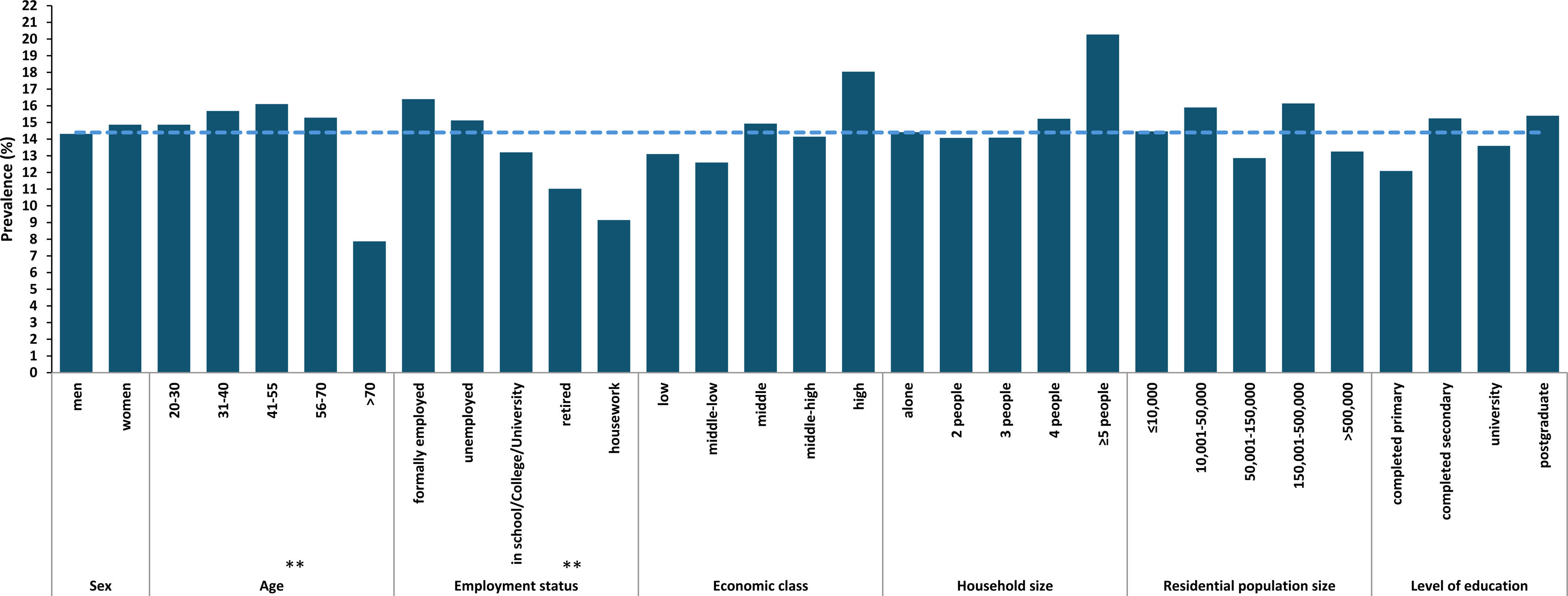
Among 3424 participants, asthma prevalence was 14.4% and geographically homogeneous. Prevalence varied by age (highest in adults aged 41–55 years; lowest in those >70 years) and socioeconomic status (highest in the middle economic class; lowest in the low economic class). Among respondents with asthma, 48% reported mild disease, 41.7% moderate, 4.0% severe, and 6.3% were unsure about severity. Severity varied across sociodemographic groups, with the 20–30-year group and the high economic class showing the lowest asthma burden overall, whereas adults aged 41–55 years had the highest proportion of severe asthma. T2-related comorbidities were consistently more frequent in people with asthma than in those without: rhinitis (71.7% vs 26.6%), atopic dermatitis (41.9% vs 18.9%), and nasal polyposis (9.3% vs 2.5%).
Conclusions
In Spain, asthma remains prevalent and generally mild–moderate. Clustering of T2-related comorbidities is observed among individuals with asthma. Systematic upper airway and skin assessment, and streamlined referral between primary and specialist care are pragmatic priorities to improve asthma recognition, control, and outcomes.