
Objective
To evaluate the feasibility and potential effectiveness of a structured psychoeducational group program aimed at enhancing resilience and reducing burnout among primary healthcare workers.
Design
A single-arm pre–post implementation study conducted between September 2022 and February 2024. Trial registration at ClinicalTrials.gov: NCT05720429.
Site
81 primary care centers of the Catalan Health Institute.
Participants
Primary care professionals from all occupational profiles were eligible.
Interventions
A 11-session program, delivered by community psychologists, combined psychoeducational content, interactive activities, and relaxation techniques.
Main measurements
Outcomes were measured before and immediately after the intervention using the Connor–Davidson Resilience Scale and the burnout subscale of the Professional Quality of Life Scale. Analyses included effect sizes and multivariate models to identify predictors of change.
Results
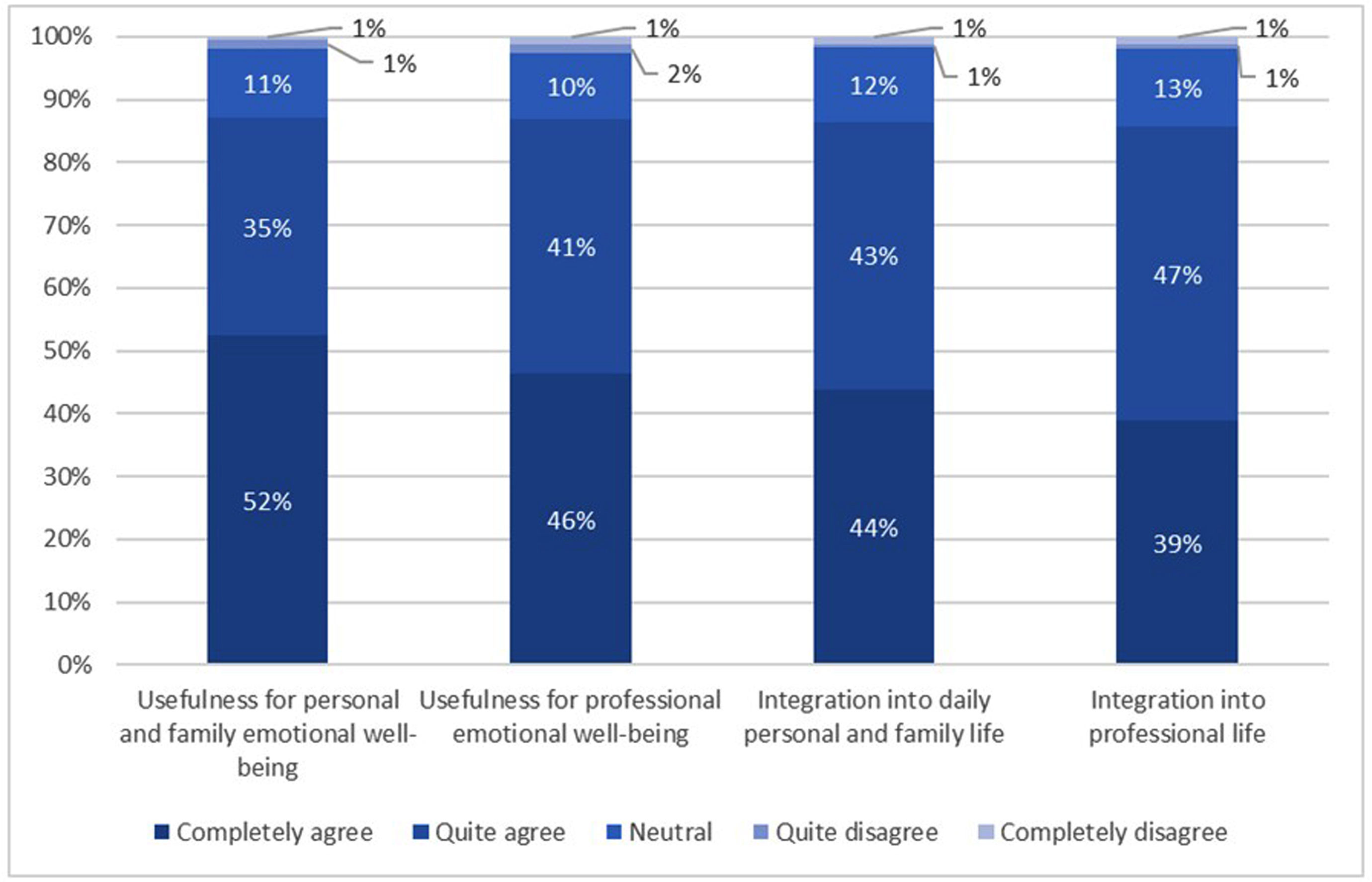
Of 1419 baseline participants, 387 (87.1% women; median age 47 years) completed both assessments. Resilience increased significantly post-intervention (p=0.001; effect size=0.21), with larger gains in men and younger participants. Burnout decreased significantly (p=0.001; effect size=0.21), particularly among physicians. Higher baseline secondary traumatic stress predicted greater burnout reduction. Program overall assessment, feasibility and satisfaction were high.
Conclusions
This psychoeducational group intervention was feasible, well-received, and associated with modest but significant improvements in resilience and burnout. Targeted benefits were observed for specific subgroups, suggesting value in tailoring content to professional role and baseline emotional burden.
