Background and objective
Hidradenitis suppurativa (HS) is a chronic, progressive inflammatory disease with a substantial impact on quality of life. Accessibility to specialized units and referral methods may significantly influence clinical characteristics and therapeutic decisions. This study aims to analyze the relationship between geographical distance, referral method, and the clinical and therapeutic characteristics of patients with HS.
Materials and methods
This was a cross-sectional study including 557 consecutive patients treated between 2017 and 2024 at the HS Unit of Hospital Universitario Virgen de las Nieves. Clinical, demographic, and treatment-related variables were collected. Geographical distance was calculated based on postal codes, and differences between referral methods (teledermatology vs conventional) were analyzed using descriptive and comparative statistical methods.
Results
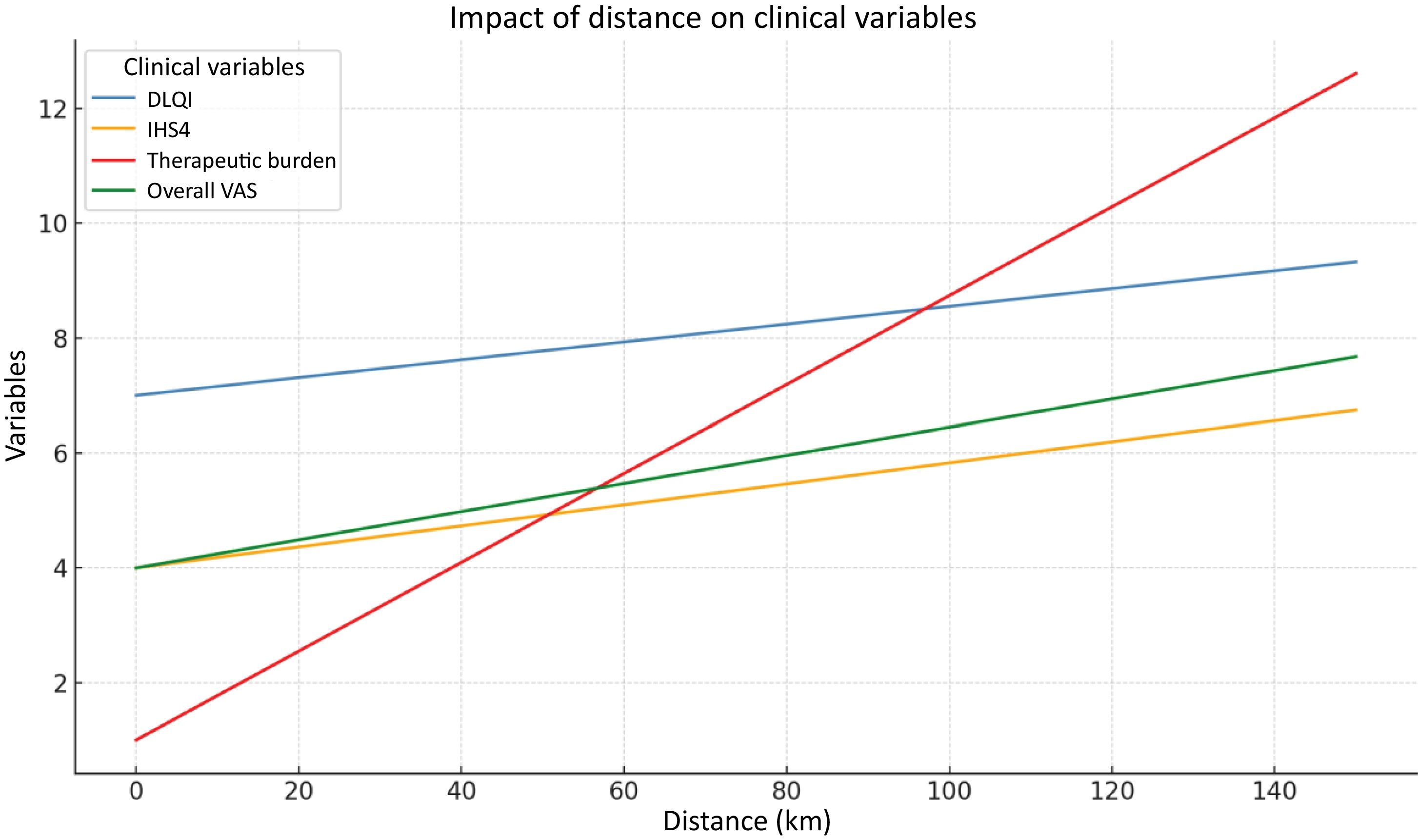
Patients residing at greater distances presented with more severe disease (Hurley stage III, higher IHS4 scores) and poorer quality of life (DLQI). They also required more intensive treatment regimens, with increased use of biological immunomodulatory drugs. Patients referred via teledermatology were generally younger, had a shorter disease duration, and exhibited milder disease severity at the time of consultation.
Conclusions
Geographical distance and referral method may significantly influence the clinical and therapeutic profiles of patients with HS. These findings underscore the need for strategies to improve accessibility and ensure equitable management. Teledermatology emerges as a valuable tool for early-stage cases, although it should be complemented with in-person assessments for more complex cases.