
Objective
To evaluate the evidence published in the last five years on health literacy (HL) in healthy adults, analyzing reported levels, methodologies, associated factors, and publication trends across journals and editors.
Design
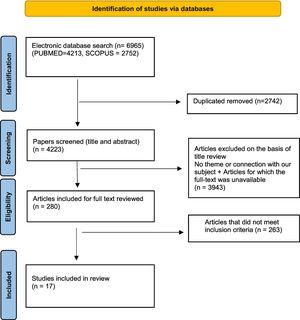
A systematic review following PRISMA guidelines.
Data sources
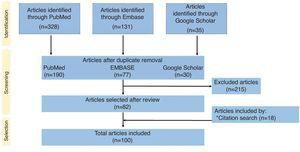
Electronic databases PubMed and Web of Science were searched using MeSH terms.
Selection of studies
Studies published between 2018 and 2024 focusing on HL in healthy adults were included. Exclusion criteria comprised studies on populations with specific pathologies, minors, or studies conducted in restricted settings.
Data extraction
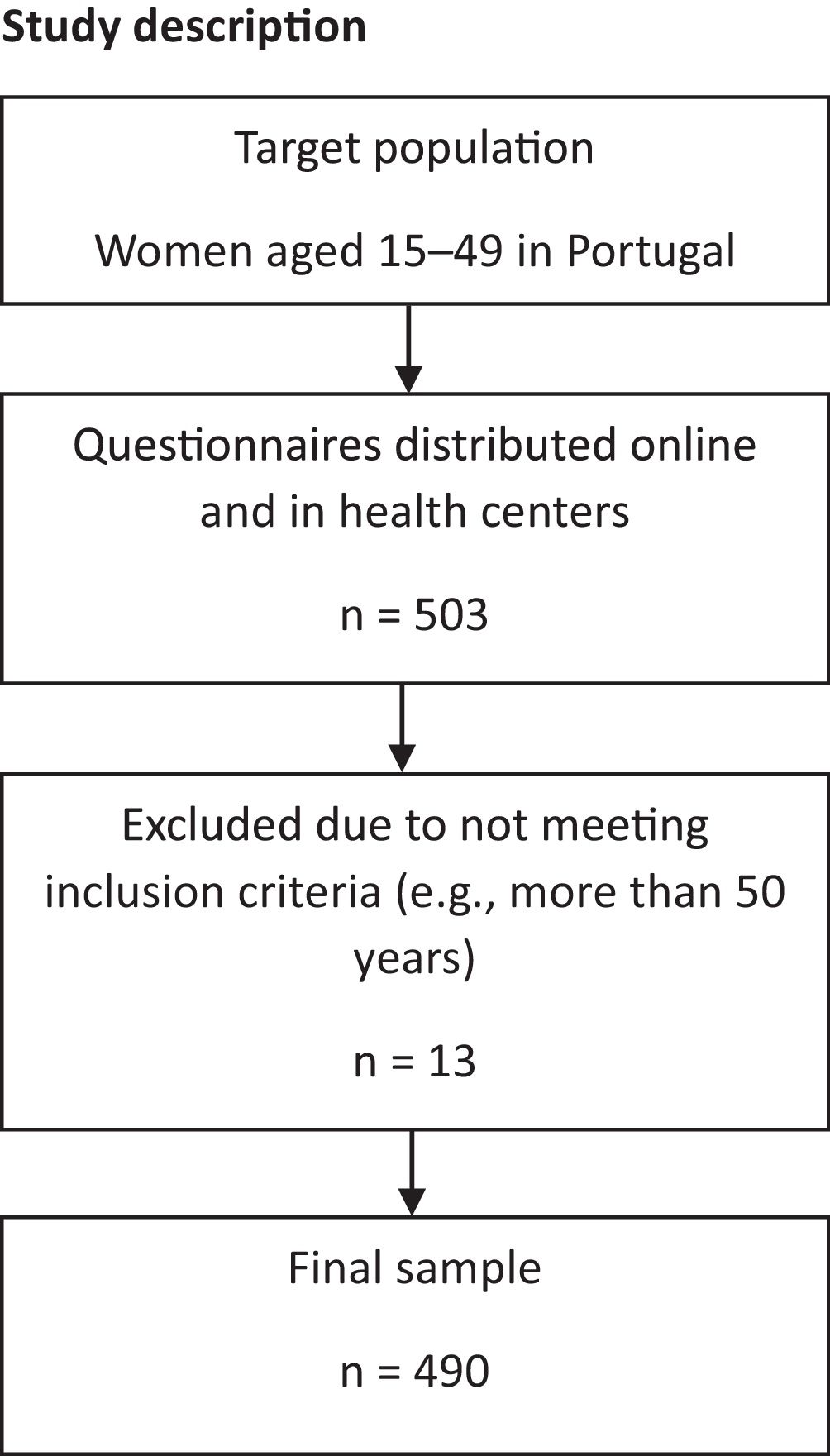
Key variables extracted included sample size, age, measurement tools, study design, HL levels, and associated sociodemographic factors.
Results
A total of 45 articles were included. The most frequently used instruments were the HLQ and HLS-EU-Q, although standardization was lacking. HL levels varied widely and were influenced by education, gender, and age. Most studies were cross-sectional, limiting causal interpretation. 56% of studies were from high-income countries, revealing geographical imbalance. No consistent editorial or journal focus on HL in healthy adults was observed.
Conclusions
There has been substantial progress in the study of HL among healthy adults. However, methodological heterogeneity and geographical limitations restrict the generalizability of results. Future research should prioritize standardization of tools, longitudinal designs, and inclusion of low- and middle-income countries to address global HL disparities.