
Introduction
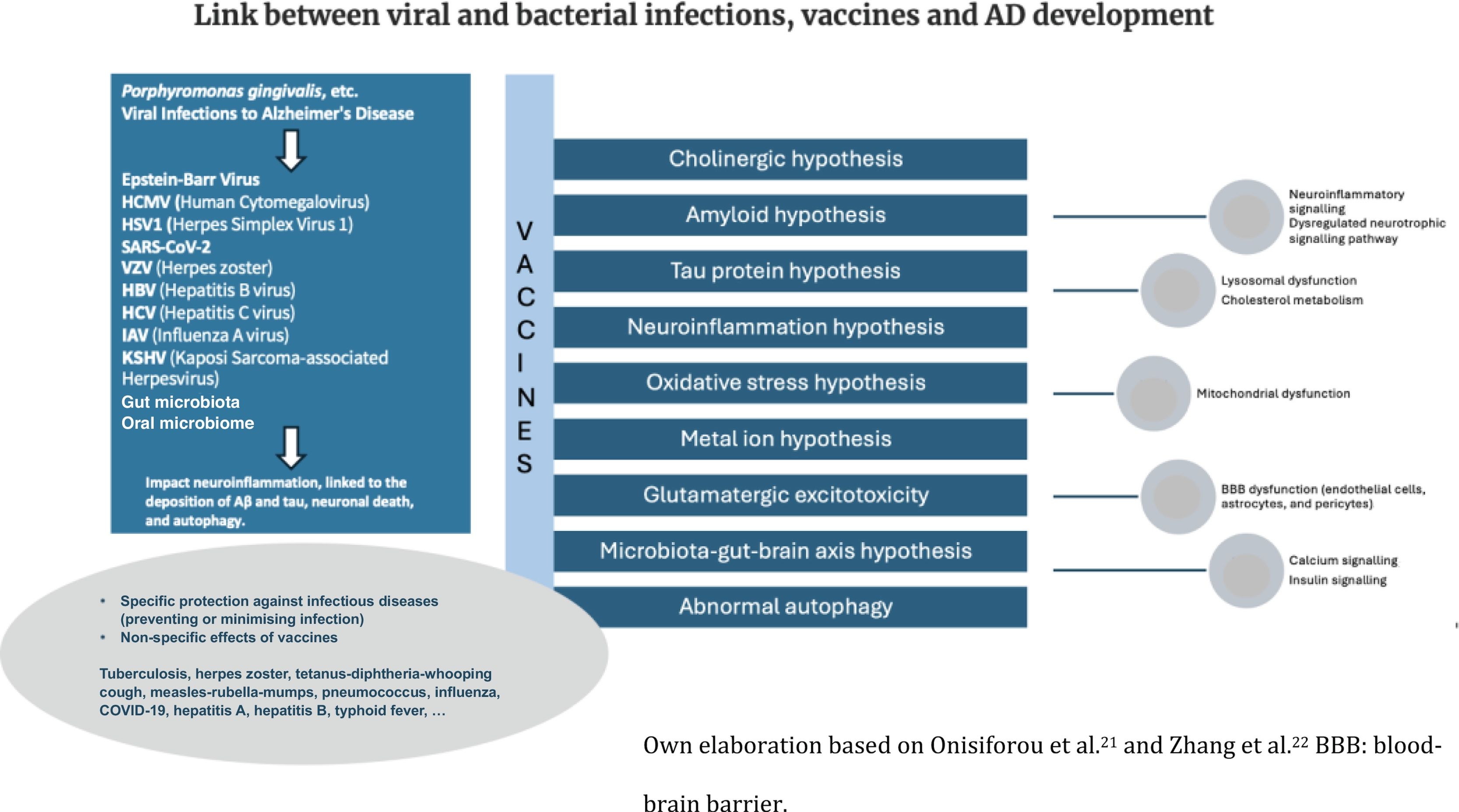
Dementias currently impose a significant burden in terms of morbidity, mortality, socio-economic costs, and human suffering. Several studies have indicated that certain infectious diseases may increase the risk of dementia. Additionally, research has suggested that adult vaccines may help to prevent dementia. This systematic review looks into the possible association between adult vaccines and dementia in studies published between 2016 and April 2024.
Development
A search was conducted in accordance with the PRISMA 2020 guidelines to assess the potential association between adult vaccines and dementia in adults aged 50 and above. Quality and potential bias were evaluated using the revised Assessing the Methodological Quality of Systematic Reviews (AMSTAR-2) scale, the Newcastle–Ottawa scale, and the Risk-of-bias in Studies of Temporal Trends (ROBITT) tool. Fifteen out of the 16 selected studies showed a high degree of uniformity in terms of vaccinated adults having lower rates of dementia than unvaccinated adults. The observed risk reduction ranged from 4% to 50% (relative risk measures). The influenza vaccine has been the subject of the most extensive research, with 10 of the 16 studies focusing on it. Five studies demonstrated a dose–response relationship, indicating that a higher number of vaccines per patient is associated with a lower risk of dementia. Only one of the selected studies found an association between vaccination of adults and an increased risk of dementia.
Conclusions
The studies examined provide evidence supporting the hypothesis that adult vaccination may have a protective effect against the development of dementia. However, further molecular biology and pathophysiology studies are required to elucidate the underlying mechanisms and confirm the plausibility of this hypothesis.