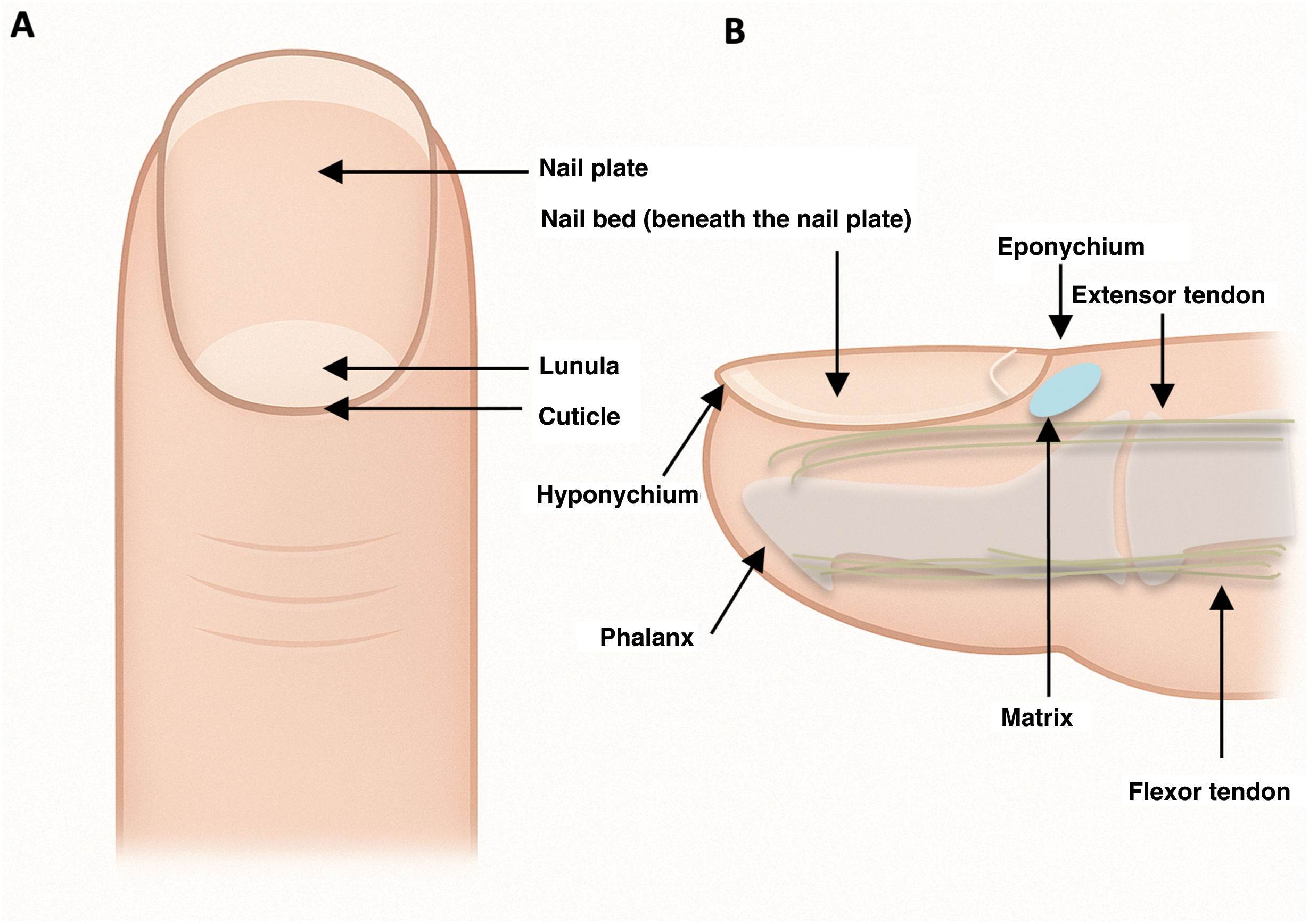
Nail disorders are a frequent reason for dermatological consultation in children and adolescents. While most are benign and self-limited, some may signal underlying systemic diseases or genetic syndromes. Understanding the anatomical and physiological characteristics of the pediatric nail unit is essential for accurate diagnosis and appropriate management. We aimed at conducting a structured review of the most common pediatric nail alterations, including physiological, congenital, infectious, inflammatory, pigmentary, and tumoral conditions.