Introduction
This study aimed to analyze the current status of the geriatrics curricula in Peruvian faculties, identifying gaps and challenges for improving medical education in this specialty.
Material and methods
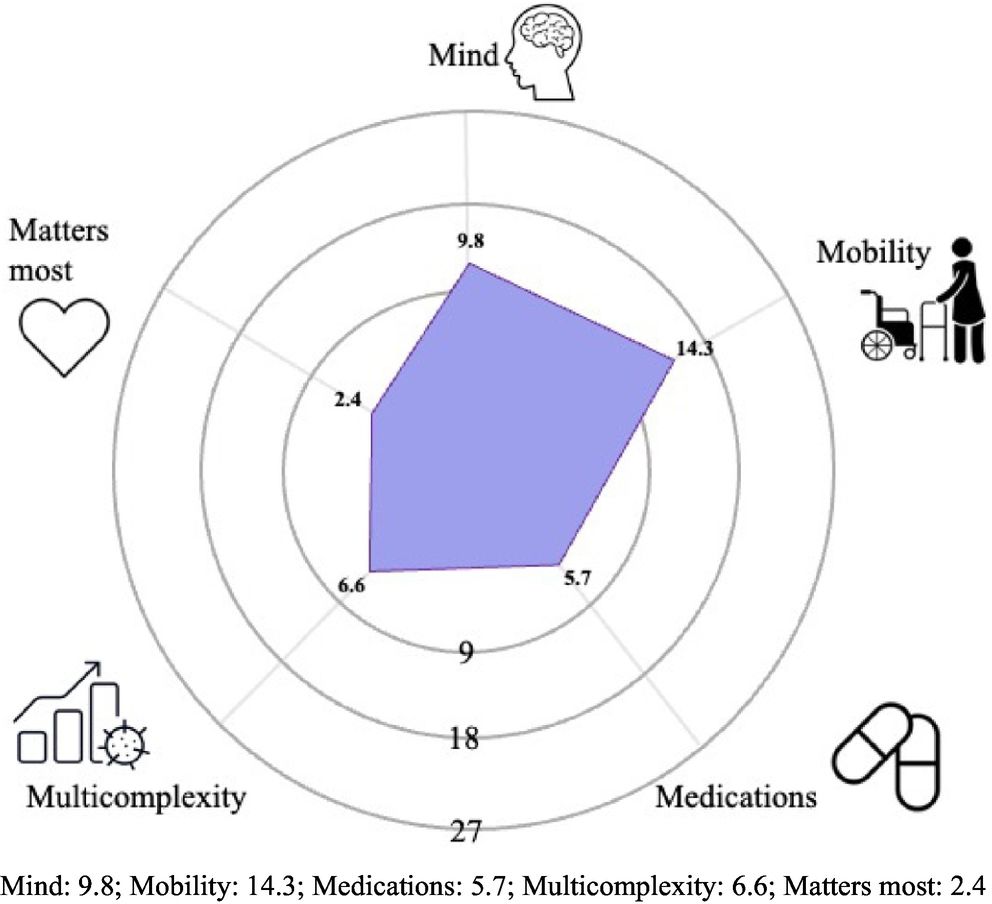
This observational study evaluated the geriatric course syllabi of undergraduate medical programs of Peruvian-licensed universities authorized by the National University Higher Education (SUNEDU). Data on course characteristics, including whether the course was stand-alone or attached to another course, were collected and evaluated. Competencies were evaluated using the 5M framework.
Results
Of the 44 universities selected, 27 offered a geriatrics course, the majority being private institutions. This course was mostly taken in the fifth year, and in 70.37% (n = 19 universities), it was considered a single course. None of the courses fully complied with the 5M framework, demonstrating deficiencies in teaching. Additionally, the study detected a shortage of geriatricians and a lack of standardization in training among institutions.
Conclusions
There continue to be critical opportunities for bettering the geriatric curricula of Peruvian medical schools and undergraduate medical programs must be optimized to respond to the needs of older people as one of the main users of medical services. It is crucial to address these deficiencies by aligning university curricula with the epidemiological and demographic reality, equity and efficiency in providing services, and international recommendations on competencies in geriatrics and gerontology.