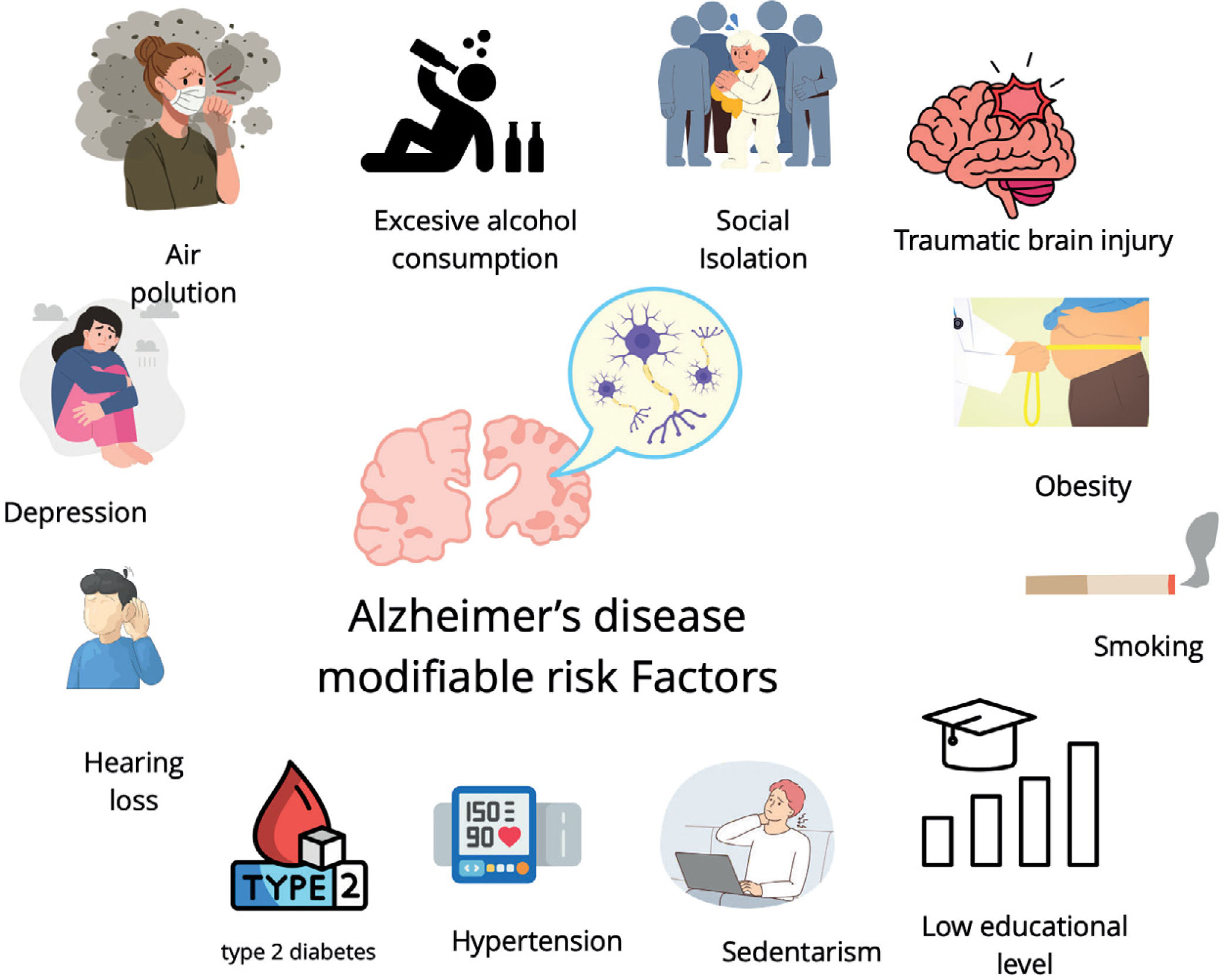
Alzheimer’s disease (AD) is currently the leading cause of dementia among older adults. Indeed, this multifactorial neurodegenerative disease accounts for approximately 60-70% of all dementia cases among adults aged 80 years and older. Over the past decade, AD has emerged as a major public health matter, driven by an exponential increase in the number of individuals affected by dementia. As of 2022, approximately 52 million people worldwide were living with dementia, and this number is projected to exceed 152 million by 2050.
In the absence of effective treatments and with early diagnostic methods still under investigation, preventive measures represent the most viable approach to curbing the exponential increase in the number of individuals affected by AD.
These preventive measures include cognitive stimulation, social interaction, meditation and mindfulness practices, regular physical activity, a healthy diet, and the use of nutraceuticals.
Collectively, these interventions confer multiple beneficial effects that may prevent and/or delay the progression of AD. The common pathway is that they regulate the inflammatory processes in the brain, a key driver of neurodegeneration and AD progression.
This review provides a comprehensive examination of current preventive measures and their potential impact on the projected prevalence of AD.