Introduction
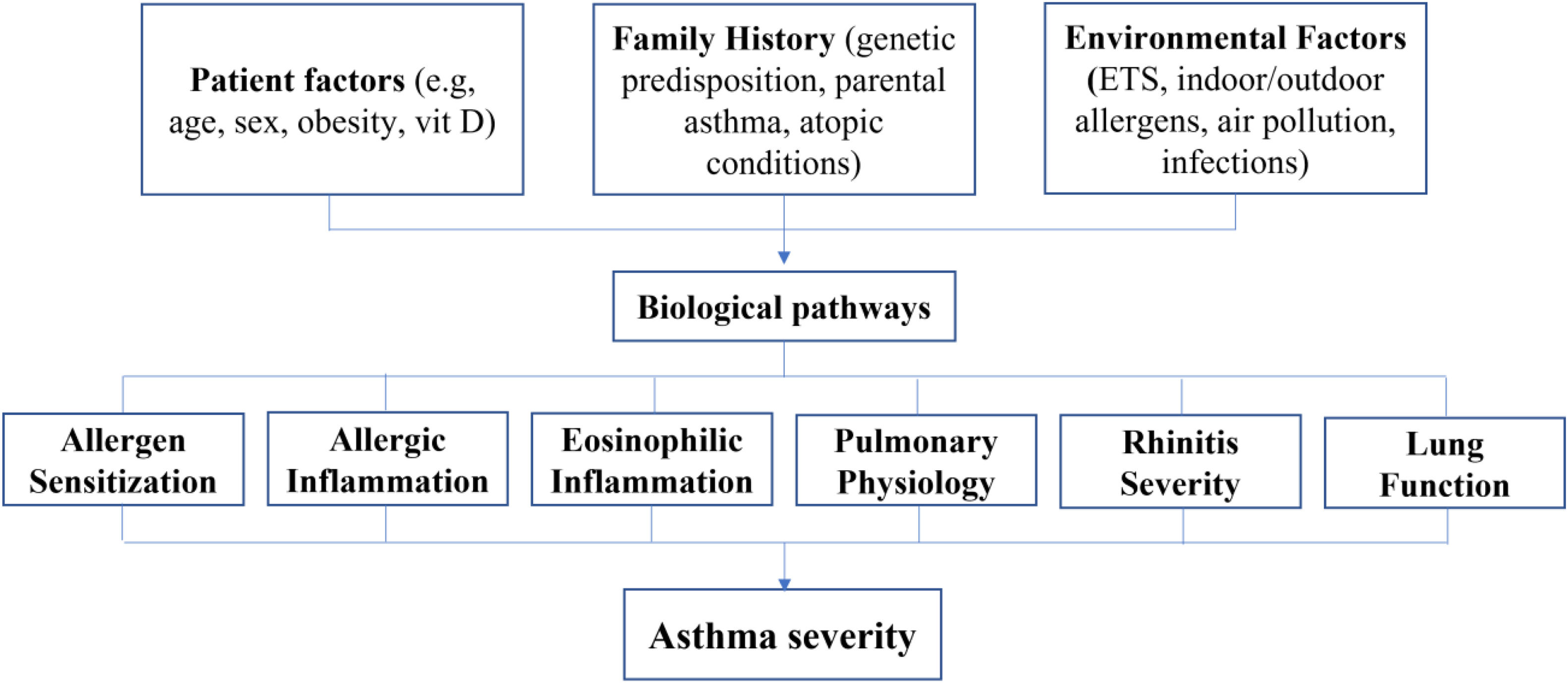
Modifiable factors such as obesity, vitamin D deficiency, and eosinophilia may contribute to increased asthma severity, but their combined impact remains underexplored, especially in resource-limited settings. This study aimed to investigate the independent and combined associations of obesity, vitamin D deficiency, and eosinophilia with asthma severity in children aged 6–18 years in Arak, Iran.
Material and methods
In this cross-sectional study, 177 children with physician-diagnosed asthma were recruited from the Amir-Kabir Hospital in 2024. Data on body mass index, serum 25-hydroxy vitamin D levels, and eosinophil counts were collected. Asthma severity was categorized as mild, moderate, or severe according to clinical guidelines. Statistical analyses included chi-square tests, ANOVA, and multivariate logistic regression adjusting for age, sex, and family history.
Results
The mean age of participants was 10.4±3.1 years, and 69.5% were male. Overweight/obesity was observed in 30.5%, vitamin D deficiency in 56.5%, and eosinophilia in 10.2% of the children. Asthma severity was mild in 74.6%, moderate in 15.3%, and severe in 10.2% of cases. All three risk factors were significantly more prevalent in children with moderate–severe asthma (p<0.001). Multivariate analysis revealed that overweight/obesity (adjusted overall risk (OR): 3.21; 95% confidence interval (95% CI): 1.87–5.51), vitamin D deficiency (adjusted OR: 2.76; 95% CI: 1.45–5.25), and eosinophilia (adjusted OR: 8.42; 95% CI: 3.24–21.89) were independently associated with increased asthma severity.
Conclusion
Obesity, vitamin D deficiency, and eosinophilia are independently associated with greater asthma severity in children. Addressing these risk factors through integrated clinical assessments and public health interventions may improve asthma outcomes.