Introduction
This study aimed to compare the effectiveness of a structured self-management program in patients with moderate–severe COPD followed up for 12 months, in improving quality of life, dyspnea, inhaler adherence, anxiety, and depression, compared to standard practice.
Material and methods
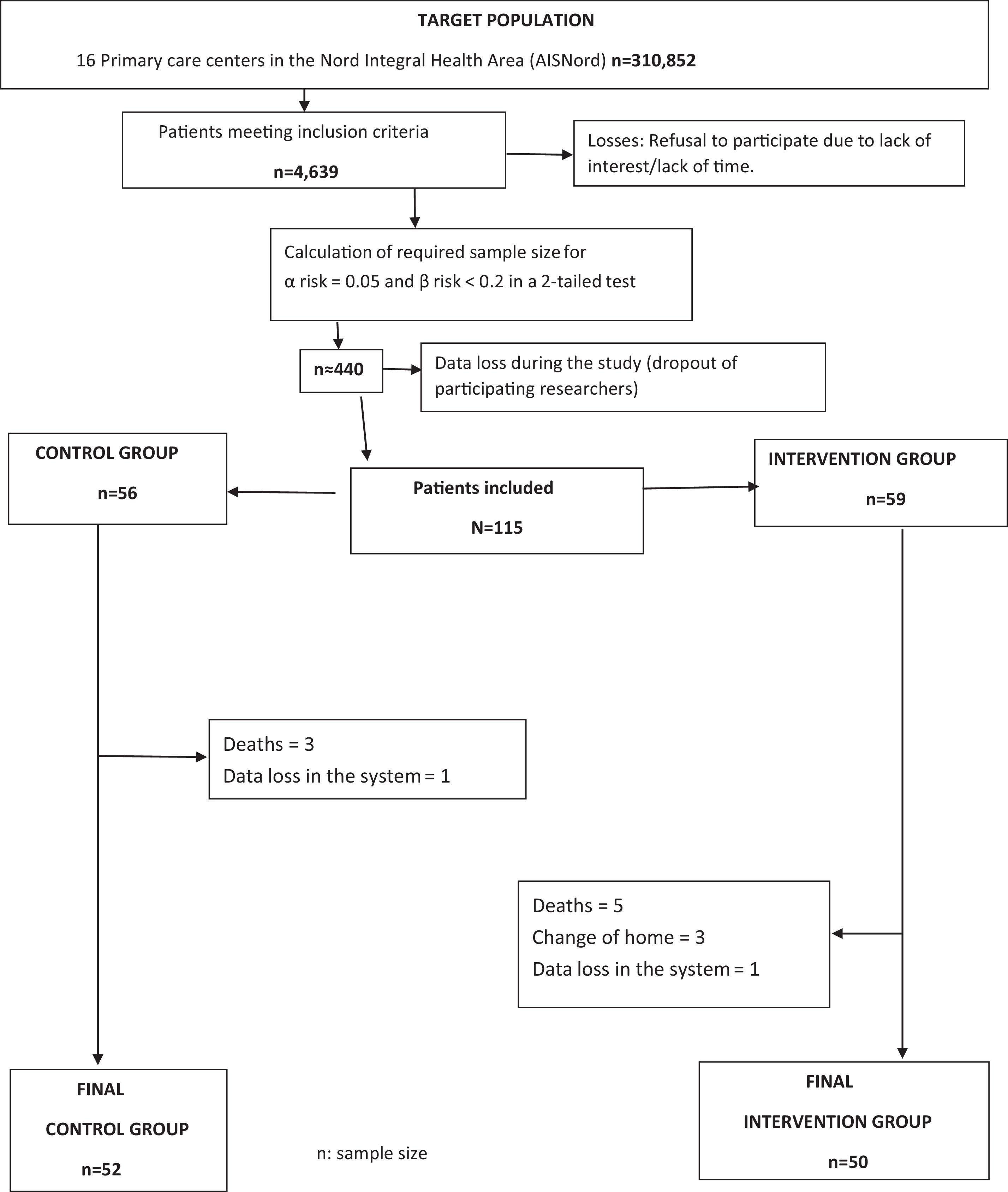
This was a multicenter randomized clinical trial involving 115 patients, 59 in the intervention group and 56 in the control group. Participants from 16 primary care centers in Barcelona, Spain, were allocated consecutively and in a blinded manner to the intervention and control groups in stages. Professionals received training in behavioral change techniques. The intervention consisted of four 20-min sessions conducted at 14-day intervals, covering topics such as COPD knowledge, smoking, inhaler use, physical activity, nutrition, breathing, exacerbations, vaccinations, work and environmental conditions, leisure, sexuality, daily activities, anxiety, and depression.
Results
A total of 102 patients completed the study, 50 in the intervention group and 52 in the control group. Differences between the intervention and control groups in quality of life, dyspnea, inhaler adherence, smoking, anxiety, and depression were not significant.
Conclusion
In patients with moderate–severe COPD, a structured self-management intervention in primary care is not more effective than standard care in improving quality of life, dyspnea, inhaler adherence, anxiety, and depression.