
Objective
The aim was to examine reasons for retraction and rates of article retraction in the field of smoking.
Material and methods
We conducted an observational study and searched the largest database of articles that have been retracted.
Results
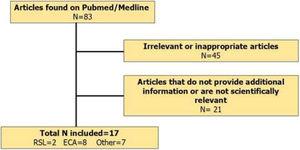
We found 83 papers that were retracted from 1988 to 2024. According to the type of document (documents typologies), the majority were original articles (74 papers). The 83 documents have been retracted in 65 different journals. The retracted papers’ citation counts were examined by searching Web of Science (WoS) and Scopus, and we have observed that a quarter (26.5%) of the 68 articles available in the WoS database had increased their citations, despite the fact that they were retracted works. The reasons for retraction were unreliable, inconsistent, erroneous, or missing data or an incorrect conclusion; duplication of previously published articles; duplication of images into the articles or in previous articles; conflicts of interest; the ethical/plagiarism policy and authorship issues concerns; fake peer reviews; data falsification/data error; articles retracted at the authors’ request; and unknown causes of retraction and journal publisher's error.
Conclusions
Unreliable, inconsistent, inaccurate, or missing data; an incorrect conclusion; or duplication/already published articles; duplication of images; and conflicts of interest are the main causes of retractions. Retracted articles have been increasing in number over the years, and additionally, the amount of time that passes between an article's publication and retraction is getting shorter. We verify that retracted articles indeed continue to gain citations after the retraction, some even more than before.