
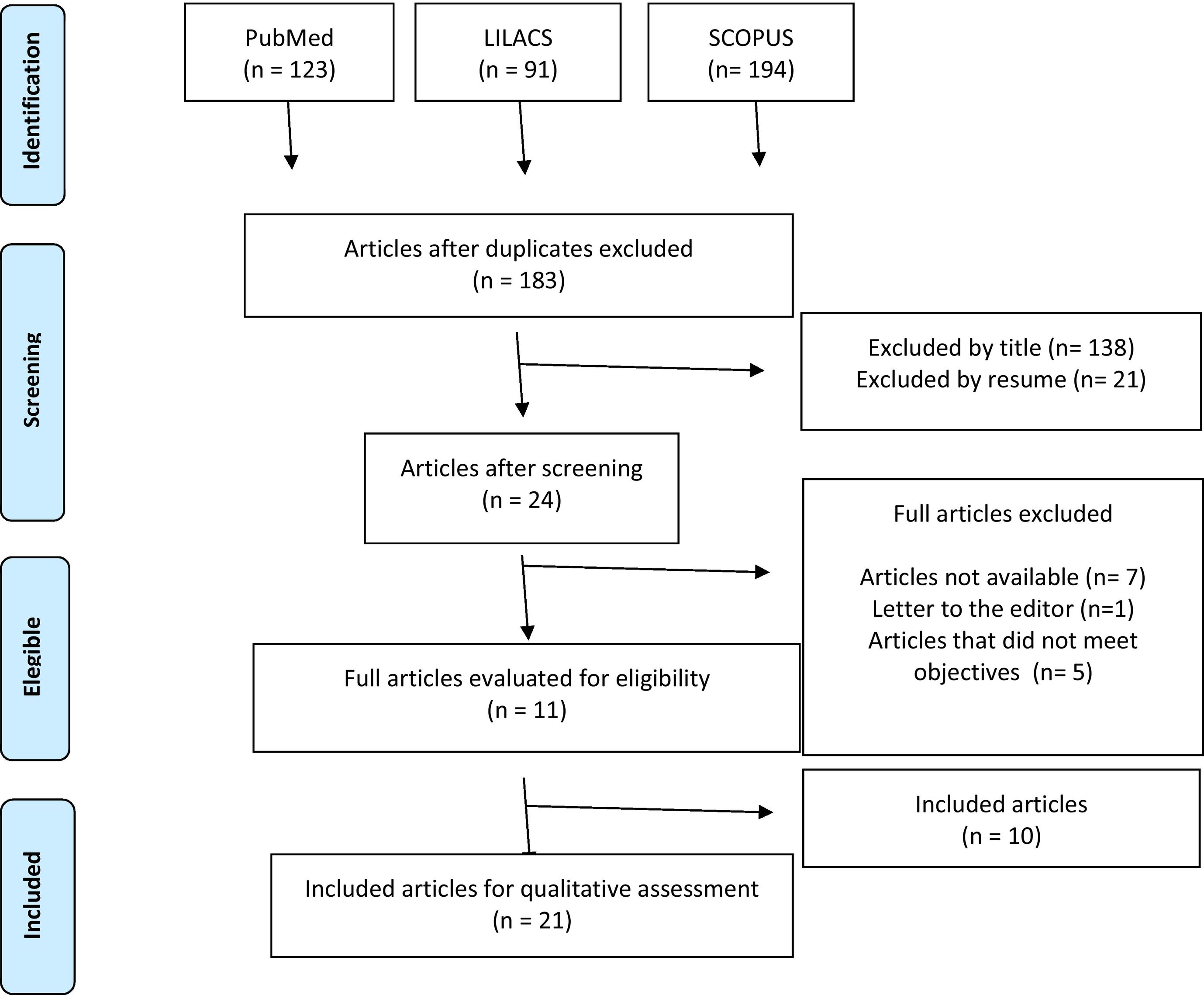
Physical examination (PE) constitutes a cornerstone clinical skill in medical practice, reinforcing the physician-patient relationship, ensuring patient safety, and enhancing treatment efficiency. Nevertheless, research indicates that graduating medical students exhibit significant deficits in this competency, prompting inquiries into its diagnostic utility and the efficacy of current instructional methodologies. The objective of this scoping review was to map the existing literature regarding evidence-based physical examination instruction within undergraduate medical curricula, with a specific focus on pedagogical strategies and knowledge gain. A comprehensive search was performed across PubMed, LILACS, and Scopus in June 2025, employing descriptors pertaining to medical students, physical examination, and evidence-based medicine. The analysis demonstrated that active learning methodologies — such as the Objective Structured Clinical Examination (OSCE), clinical simulations, and standardized patients—are effective in fostering practical skills. Hypothesis-driven physical examination and the integration of structured feedback also emerged as promising approaches. Nevertheless, challenges persist, including inter-observer variability, the necessity for standardization, and skill decay over time. Physical examination instruction in undergraduate medical education demands integrated approaches combining supervised practice, clinical reasoning, and Evidence-Based Medicine. The implementation of innovative methodologies and faculty development is pivotal to ensuring high-quality medical education, oriented toward patient safety and clinical excellence.