Objective
To assess the knowledge women of reproductive age have about contraceptive methods and identify factors influencing both knowledge and method selection.
Design
Descriptive, analytical, cross-sectional, observational study, conducted between November 2024 and April 2025.
Setting
Community and primary healthcare level in Portugal, particularly in the central region.
Participants
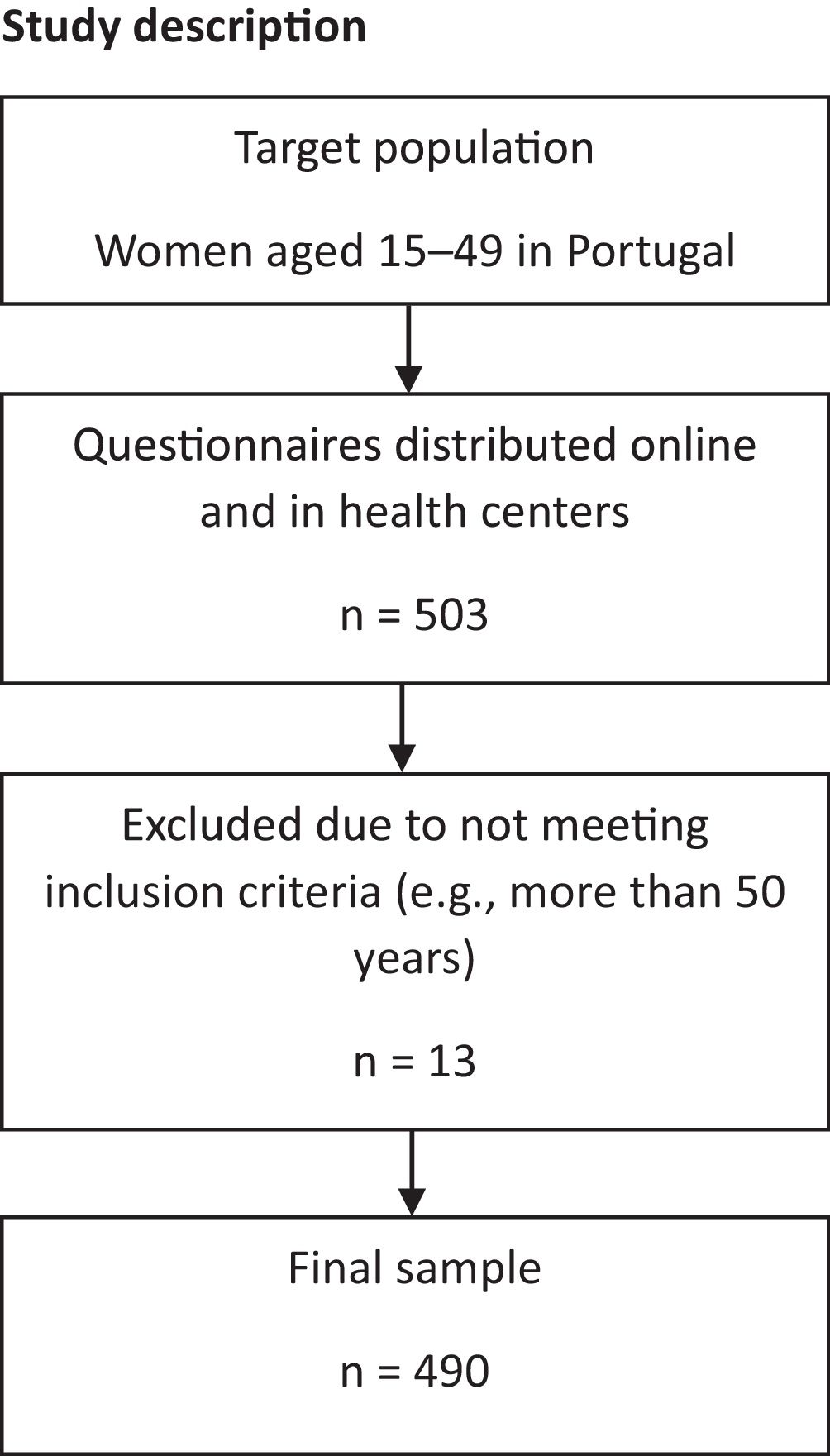
490 women aged 15–49 living in Portugal. Inclusion: menstruated. Recruitment was via social media and health centers. No dropouts were recorded.
Main measures
Knowledge of contraceptive methods, method usage and influencing factors, assessed via a structured, validated questionnaire.
Results
The most known methods were the pill and male condom. Only 24.3% correctly identified the most effective methods. Regarding STI protection, 91.6% answered correctly. Most used methods were the pill and male condom. Safety and effectiveness were the most valued criteria. Medical advice was highly influential. Statistically significant associations were found between sociodemographic factors and knowledge/choice.
Conclusions
Despite high general knowledge, gaps remain regarding effectiveness. Educational strategies and counseling, especially during family planning consultations, are essential to improve contraceptive literacy and reduce unplanned pregnancies.