Objective
To assess the evidence on communication interventions designed to support women experiencing socioeconomic vulnerability in the context of perinatal care.
Design
Systematic review based on narrative synthesis.
Data sources
Web of Science Core Collection, MEDLINE (PubMed), CINAHL (Ebsco), and The Cochrane Library.
Study selection
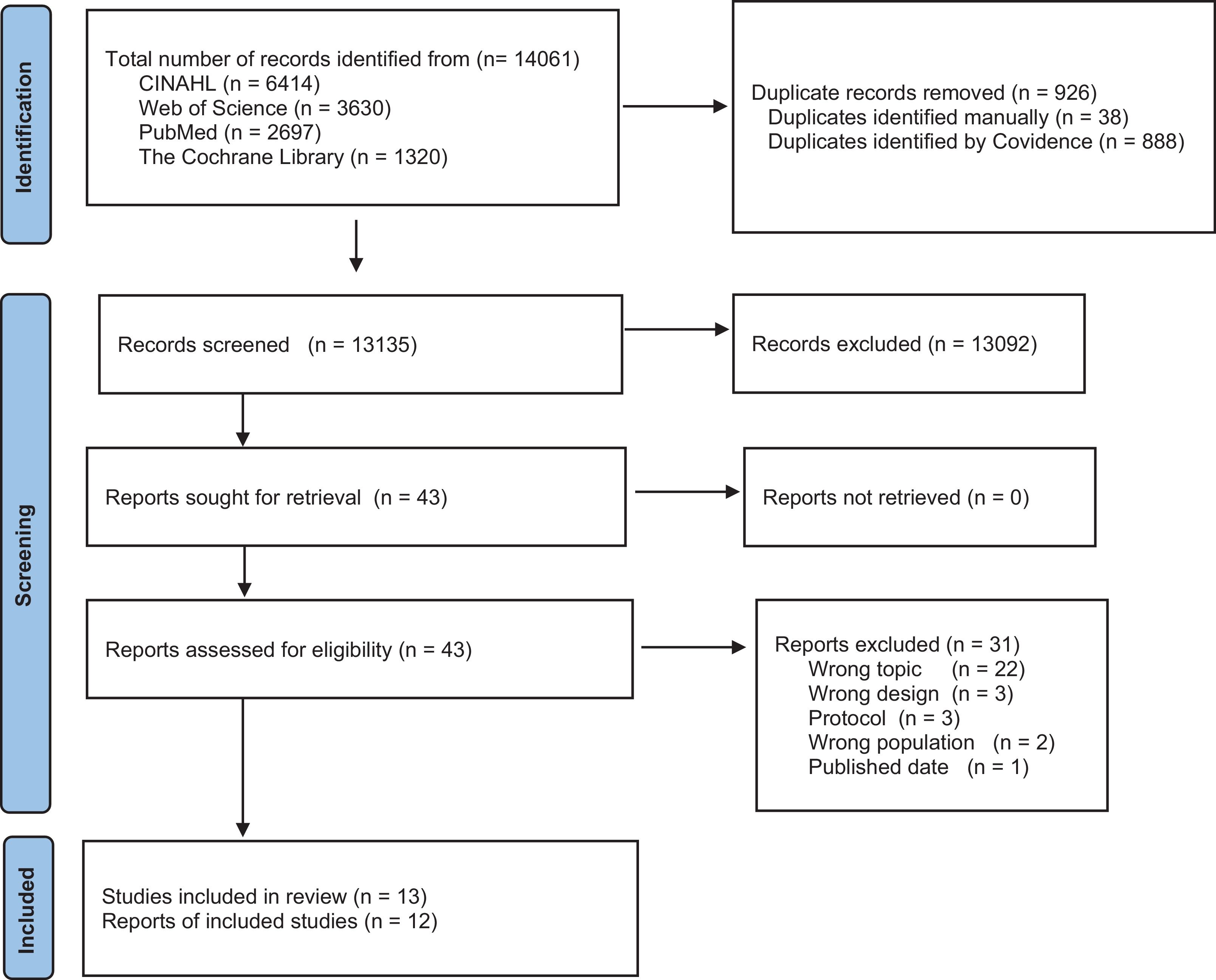
Following PRISMA guidelines, peer-reviewed qualitative, quantitative, and mixed-method studies published between 2013 and 2023 in English, Spanish, Dutch, French, or Turkish were included. Research from all care settings was eligible, except for studies conducted in low-income countries according to the Human Development Index.
Data extraction
Data extraction was performed at least two team members. Studies were analyzed through narrative synthesis. Methodological quality was assessed using the Critical Appraisal Tools developed by the Centre for Evidence-Based Management (CEBMa).
Results
Twelve studies met the inclusion criteria. Interventions included telehealth, home visits, peer-led initiatives, and tailored approaches such as Brief Interpersonal Psychotherapy and Motivational Interviewing. These interventions showed positive effects on breastfeeding, psychosocial well-being, maternal and neonatal health, and satisfaction with care, although outcomes varied in significance. Study quality ranged from moderate to high.
Conclusions
Although the evidence is limited, the findings suggest that communication interventions may improve perinatal care for women facing socioeconomic vulnerability. Further robust research is recommended.
Systematic review registration
The protocol for this review was registered in PROSPERO (registration number: CRD42023406466).