
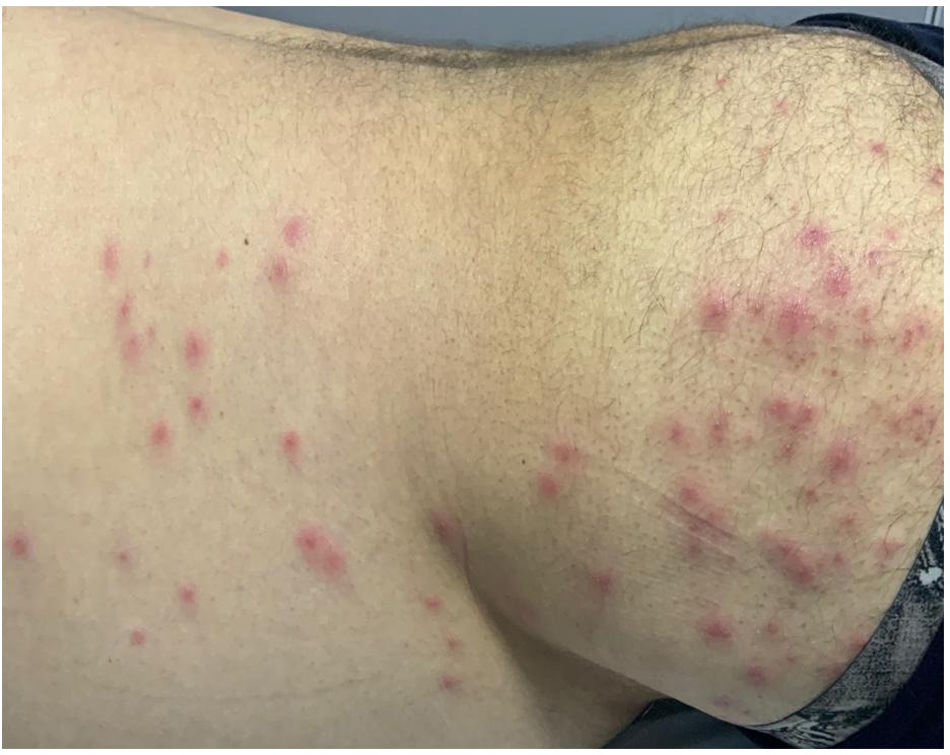
Pseudomonas aeruginosa is a gram-negative opportunistic bacillus of great relevance in dermatology due to its ability to cause a wide spectrum of skin infections. These infections can be characterized by a greenish discoloration and a distinctive odor and can range from mild signs, such as folliculitis, green nail syndrome, hot hand–foot syndrome, and uncomplicated acute otitis externa, which generally respond to conservative therapy and topical antibiotics, to deeper and potentially severe infections, such as subcutaneous nodules, malignant otitis externa, ecthyma gangrenosum, and necrotizing infections, which require a multidisciplinary approach, systemic antibiotics and surgical procedures. The growing antimicrobial resistance of P. aeruginosa poses a significant therapeutic challenge. This article provides a literature review focused on the various presentations and clinical signs of this pathogen, its resistance mechanisms, and the different therapeutic options.