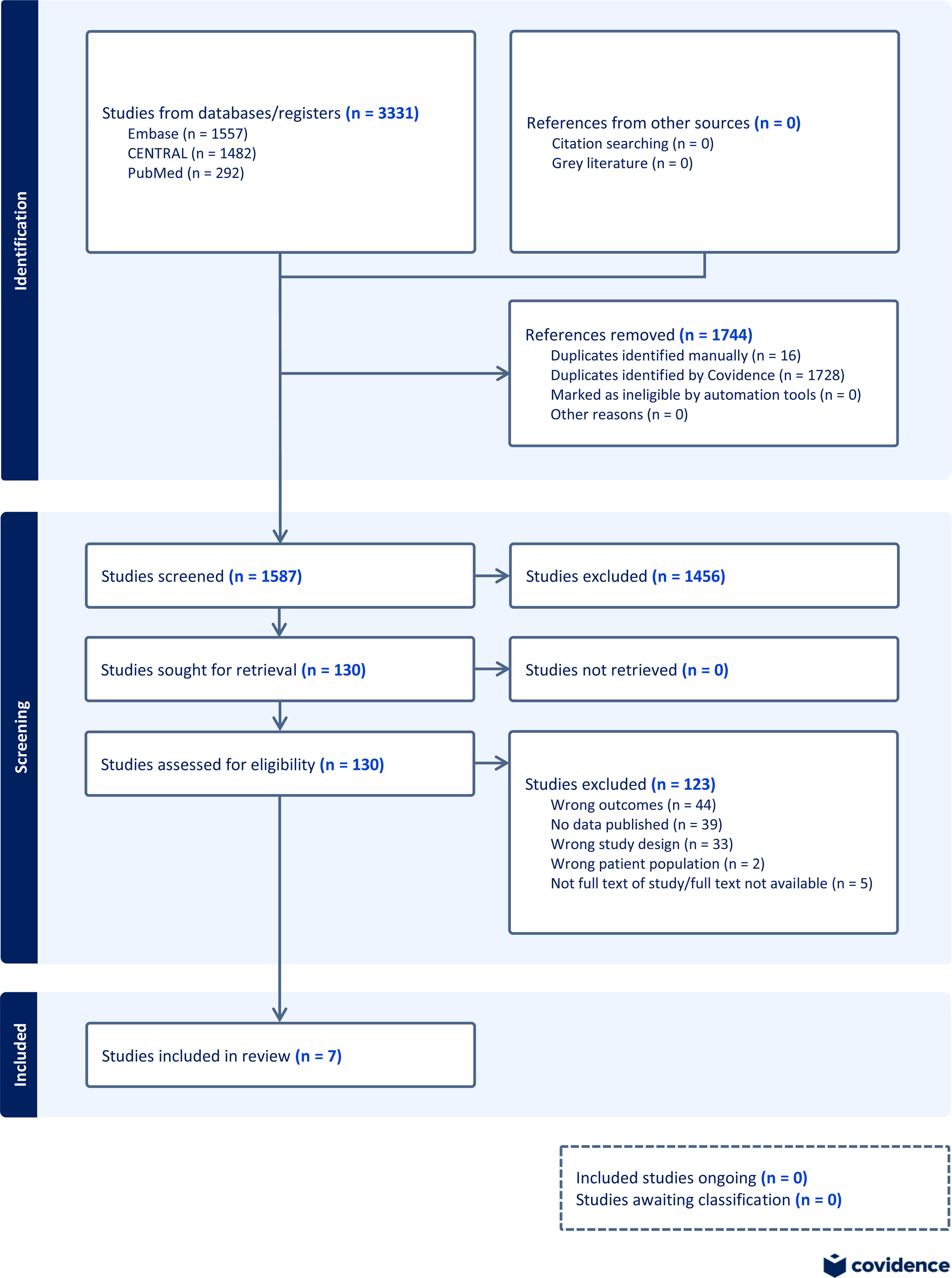
Chronic graft-versus-host disease (cGVHD) is a major multiple organ complication of allogeneic hematopoietic stem cell transplantation, and skin involvement is associated with substantial mortality, morbidity and reduction in quality of life. However, more than half of patients are refractory to current first-line therapy and there is still a lack of high-level evidence regarding alternative therapeutic agents. This systematic review was conducted by two independent reviewers who searched and screened records published from database inception to May 2024 in PubMed, Embase, and the Cochrane Central Register of Controlled Trials, using prespecified inclusion and exclusion criteria aligned with the study objective. Two reviewers assessed the risk of bias and quality of evidence of trials eligible for review. Seven randomized controlled trials of extracorporeal photopheresis (ECP) with standard therapy, imatinib, entospletinib with prednisone, ruxolitinib, and ibrutinib with prednisone were eligible for inclusion. Ruxolitinib demonstrated superiority versus standard therapy and placebo with an overall response rate of 41.5% and a reduction in body surface area affected from 14.5% down to 6.2%. No other treatments conferred a statistically significant benefit versus standard therapy or placebo. Entospletinib was markedly inferior to placebo. Although all 7 trials demonstrated some risk of bias, they were found to have a moderate-to-high quality of evidence. In conclusion, of all therapeutic agents reviewed, only ruxolitinib demonstrated high-level evidence of a modest efficacy in treating cutaneous cGVHD and should be considered as a line of therapy in addition to current first-line therapy. Further high-level studies are needed to identify alternative therapeutic agents and validate their efficacy profile.