Introduction
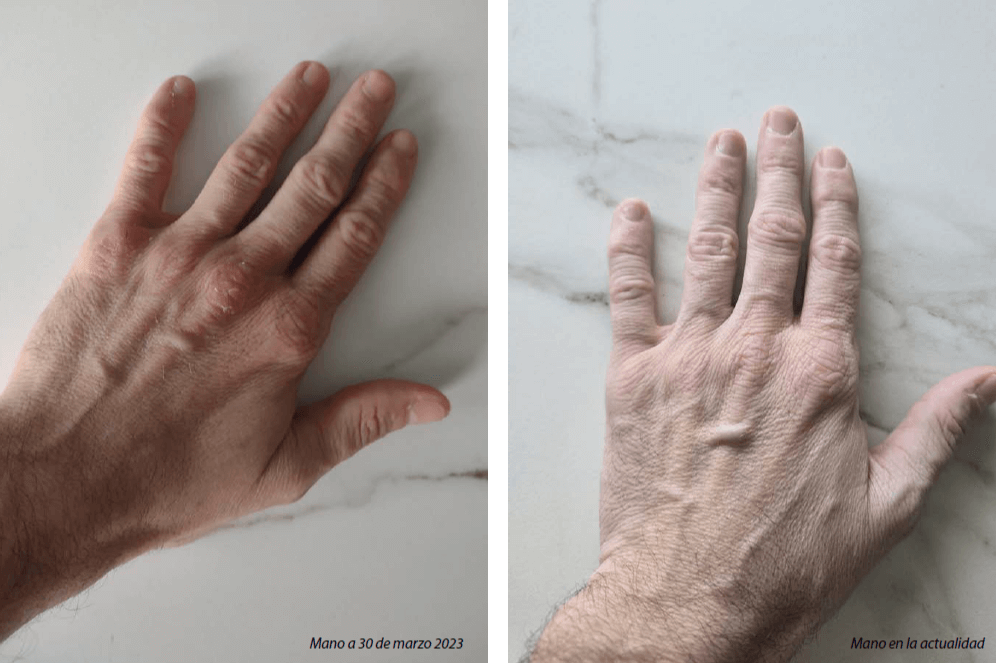
Autoimmune dermatological diseases have a prevalence greater than 2% in the general population, sometimes as a primary disorder and other times within a context of systemic involvement. Comorbidity with multiple sclerosis (MS) has been described, particularly in the case of psoriasis and bullous pemphigoid, and to a lesser extent in pemphigus vulgaris and other autoimmune skin diseases.
Development
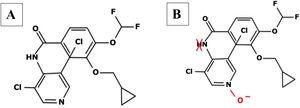
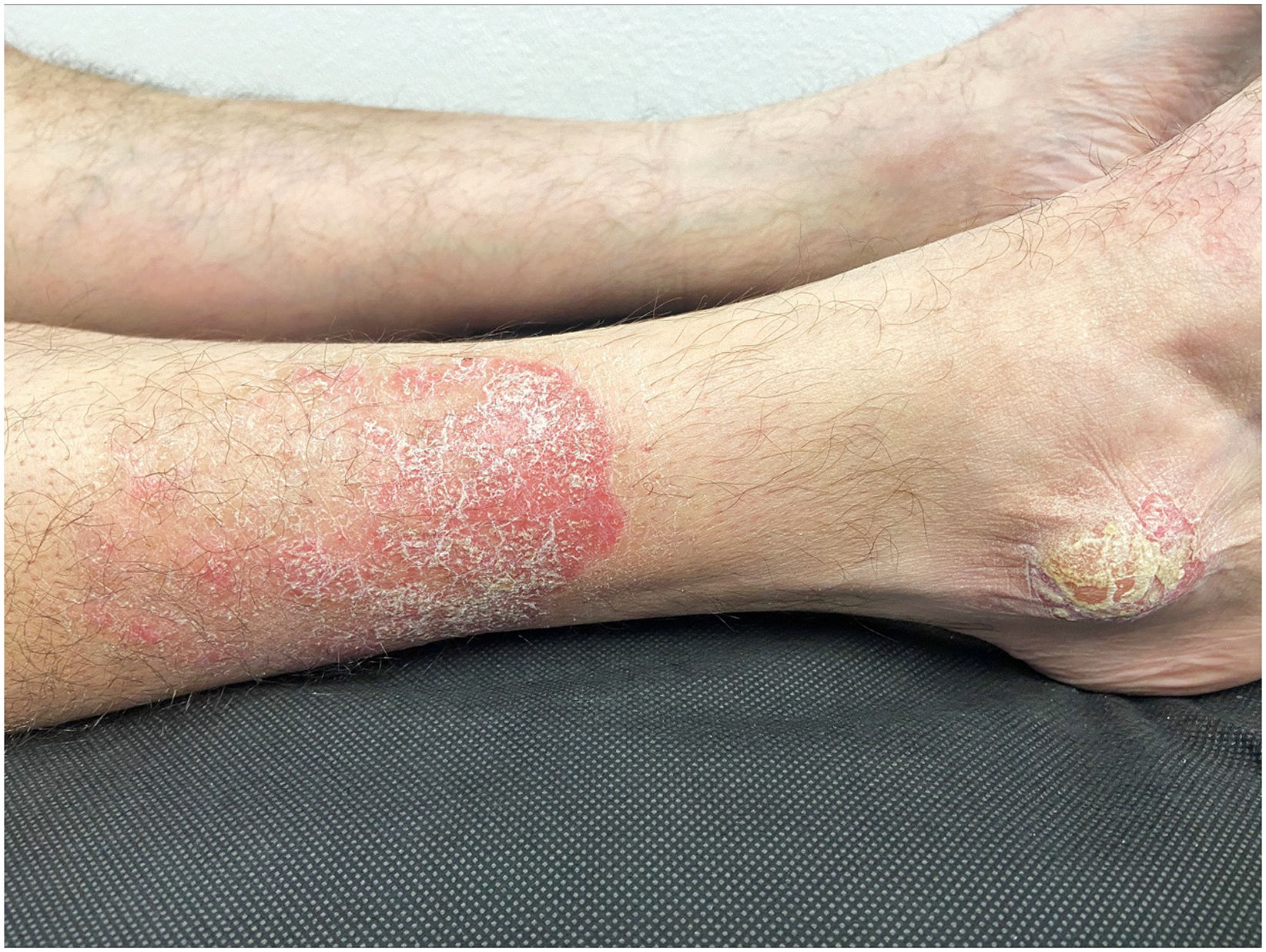
Psoriasis is the autoimmune skin disease for which the most evidence is available on this association, with increased risk in patients with MS. Both disorders probably have common pathophysiological mechanisms. The joint treatment of both diseases will depend on the degree of activity of each one, but in general, it is recommended for patients with MS and psoriasis to avoid interferons, teriflunomide, and anti-CD20 monoclonal antibodies, whereas fumarates and S1P receptor antagonists are recommended. TNF-α inhibitors are formally contraindicated in MS. In the case of bullous pemphigoid, pemphigus vulgaris, and other less common autoimmune dermatological diseases, the relationship with MS is not so clearly established, although an association between the first 2 and neurological diseases, including MS, has been described. Treatment is based on corticotherapy, and classic immunosuppressants or rituximab may be combined, which represent an alternative for joint treatment.
Conclusions
Comorbidity between MS and autoimmune dermatological disorders, and especially psoriasis, requires a joint approach, avoiding treatments that may aggravate one or the other disorders.