
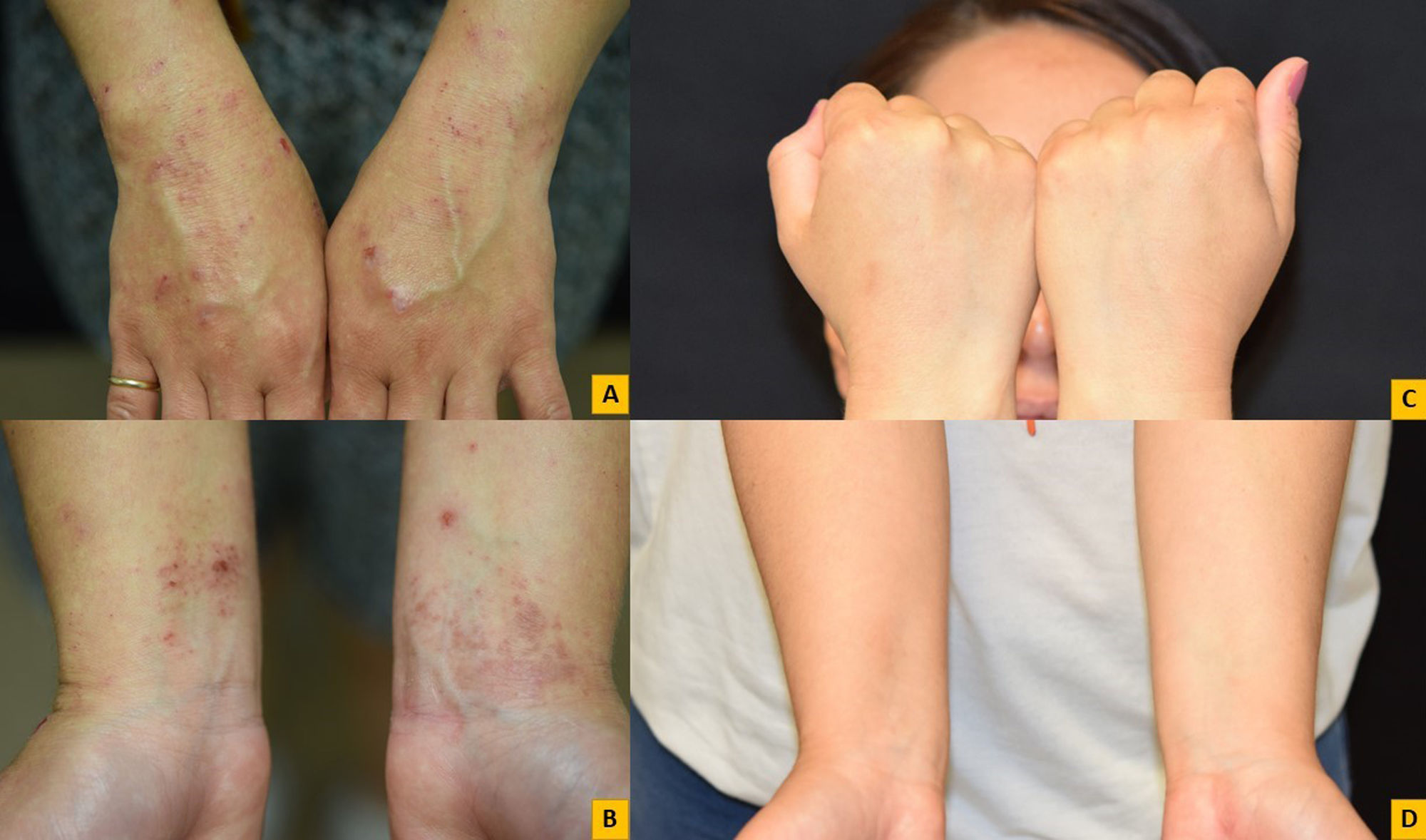
The resistant and recalcitrant nature of severe allergic contact dermatitis (ACD) makes treatment challenging. With advances in the understanding of the cellular and molecular pathogenesis of this dermatosis, new therapeutic options are emerging. In particular, the use of biologic drugs such as dupilumab and small molecule inhibitors, such as JAK inhibitors have gained momentum given the cross-cutting inhibition of multiple cytokine actions. This article aims to review the current available data on the use of biologic drugs and small molecule inhibitor drugs in the management of ACD. Results suggest that iJAKs, such as abrocitinib, tofacitinib, upadacitinib, and baricitinib; although biologic drugs, such as dupilumab show significant promise in refractory ACD, more long-term clinical trials are needed to confirm their safety and efficacy profile.

