Introduction
Considering the current shortage of specialists and the increasing complexity of diagnostic and therapeutic procedures, it is anticipated that there will be a growing need for specialists. Therefore, and in order to ensure quality healthcare, a prospective study has been conducted for the period 2023–2035.
Methods
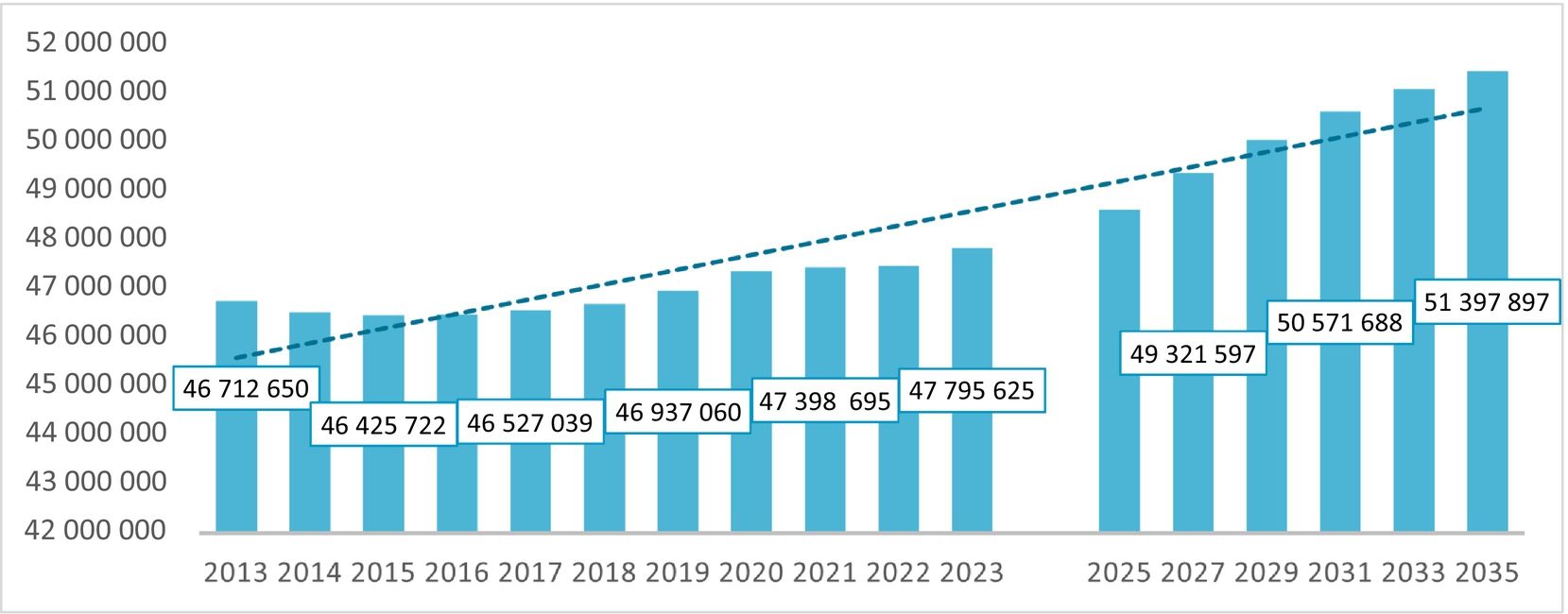
The projection considered the sociodemographic trends of the population, including its evolution and ageing. Additionally, the expected increase in neurological diseases, changes in prevention, early diagnosis, and therapeutic advances in diseases that previously lacked adequate therapies were considered. The generational replacement of current neurologists was also factored in. The projection was divided among clinical neurologists, neurologists dedicated to teaching, and neurologists dedicated to research.
Results
Various scenarios were detailed based on the projected increase in detected needs, and the number of neurology specialists required by 2035 ranges between 3.228 and 4.827, with significant increases compared to the 2.483 specialists available in 2023.
Conclusions
Knowing the number of neurology specialists needed by 2035 is essential to anticipate the future demands of a constantly evolving healthcare system. Achieving this will require holistic solutions, incorporating changes in training, practice, and the organisational structure of the neurology field.