Background
Delusional parasitosis (DP), or Ekbom syndrome, is a psychiatric disorder with dermatological clinical expression. It is uncommon, poorly known by clinicians, and underdiagnosed.
Objective
To determine the clinical characteristics of DP in clinical practice in a tertiary center.
Material and method
Retrospective observational study including patients diagnosed with DP from June 2015 through June 2024 in the psychodermatology unit of Hospital General Universitario de Valencia (HGUV). The clinical, epidemiological, and outcome characteristics of the patients were collected.
Results
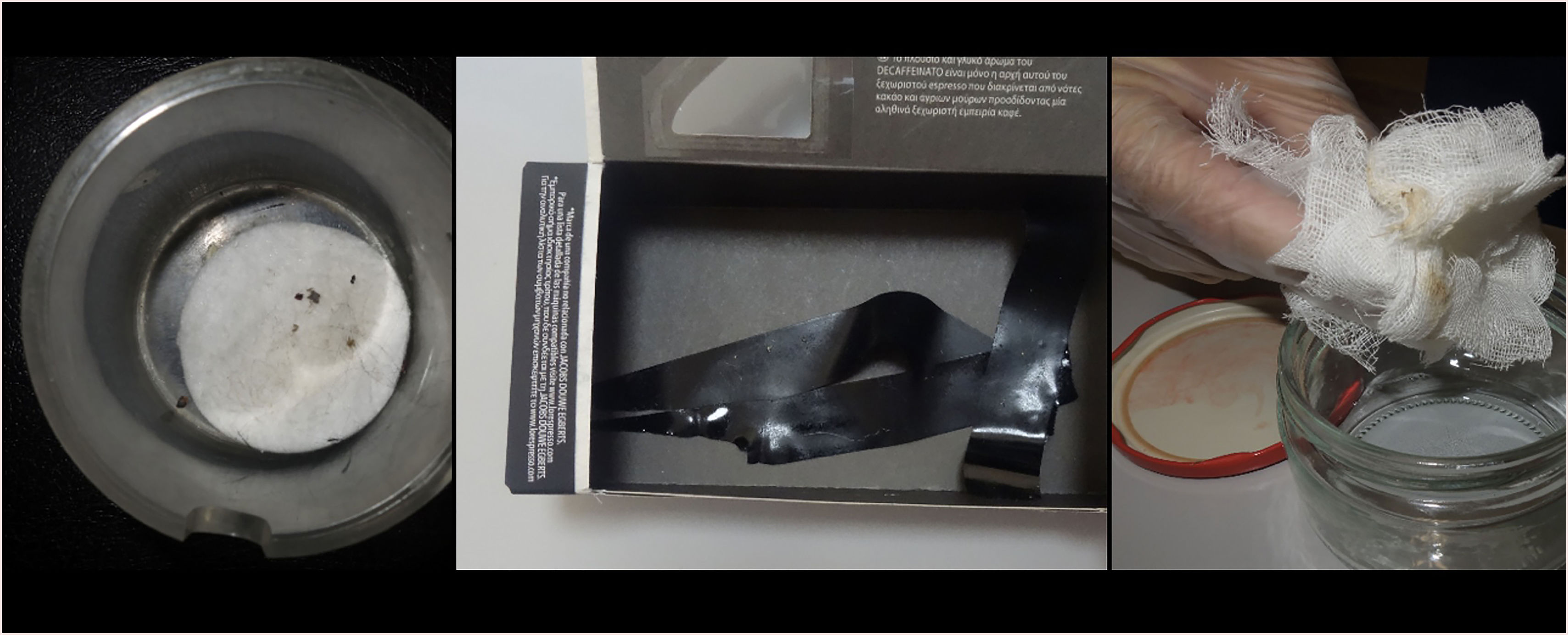
Twenty-five patients were diagnosed with DP (20 women and 5 men). Mean age was 55 years. Shared psychotic disorder, folie à deux, occurred in 32%. Urine toxicology was positive in 32%. The “matchbox sign” was the most frequent clinical sign, present in 56% of patients. Antipsychotics were the treatment of choice, and pimozide was used in 12 of the 25 cases. Of all treated patients, 43% achieved clinical improvement, with complete cure in half of them. Symptoms persisted despite treatment in the remaining patients. A total of 44% of all patients were lost to follow-up.
Conclusion
Delusional parasitosis is an entity that dermatologists should consider in routine clinical practice. This condition represents a challenge for clinicians because of patients’ poor therapeutic adherence and its complex multidisciplinary management.