Introduction
Type 2 diabetes mellitus (T2DM) in older adults is frequently associated with depressive symptoms that hinder effective self-management and worsen health outcomes. Psychosocial interventions integrating emotional and educational components are needed, and their content validity must be established to ensure relevance, clarity, and theoretical coherence.
Materials and methods
A mixed-methods approach was used, incorporating expert judgment from nine healthcare professionals with expertise in diabetes education and intervention. The content validity was assessed using a Likert-type rubric and the Program Fit Assessment Tool, focusing on clarity, relevance, pertinence, coherence, alignment with community context, and theoretical framework.
Results
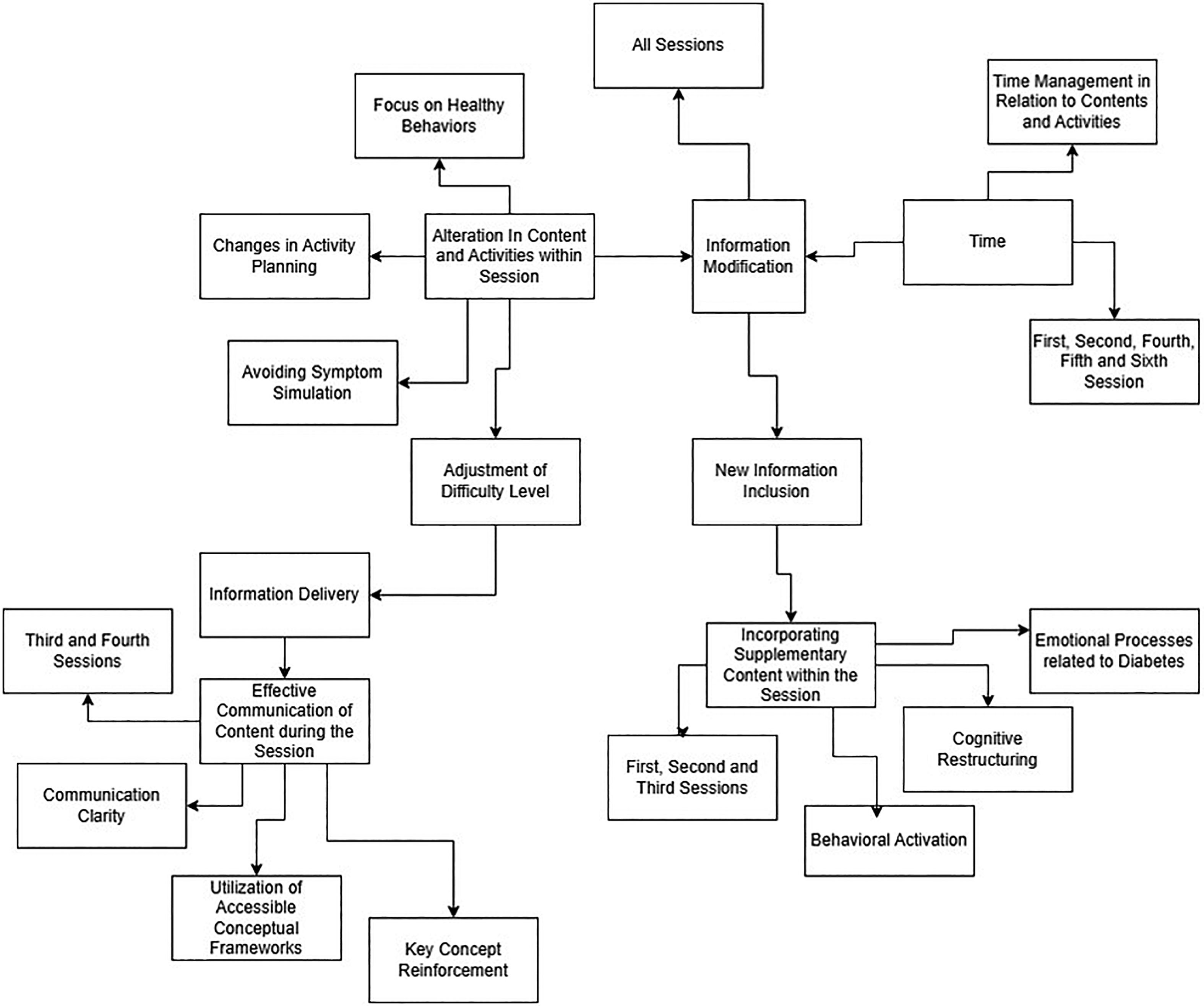
The intervention demonstrated overall adequate content validity, although specific areas for improvement were identified, particularly regarding certain session topics and time management. Experts recommended strengthening the emotional components of the intervention and improving clarity in communication.
Conclusion
The intervention was deemed appropriate for older adults with T2DM, aligning with their needs. This validation process contributes to the development of more effective and culturally sensitive psychosocial strategies, potentially improving self-care and mental health outcomes in this population.