
Introduction
The substitution of original or innovative antiseizure medications with generic formulations is based on issues that range from patient morbidity to economic questions regarding pharmaceutical market costs and affects both patients and health systems. The main question is whether their bioequivalence ensures therapeutic equivalence. This substitution is currently a source of controversy.
Development
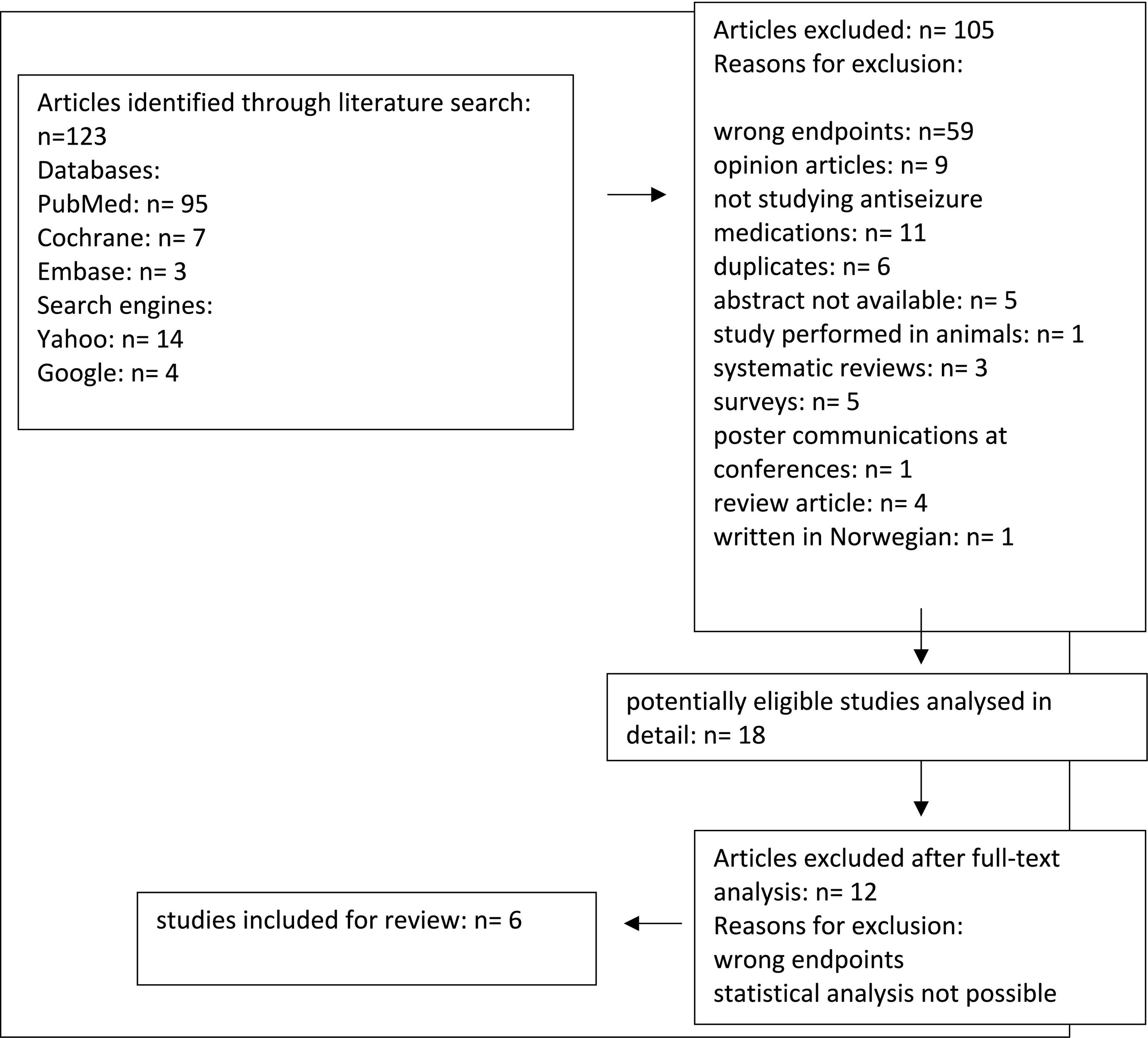
A systematic review and subsequent meta-analysis of the literature was carried out in the main databases; after applying the inclusion/exclusion criteria, 6 articles addressing the efficacy and safety of the generic substitution of antiseizure drugs were analysed. The results show that there is no evidence in the literature of an increase in risk, both in terms of safety and effectiveness, in the replacement of an original or innovative antiseizure drug with its corresponding generic.
Conclusion
In the present systematic review, the results of the meta-analysis, in terms of the direction of the effect, would not be valid given the high heterogeneity observed. However, the opposite effect was also not observed; that is, the articles analysed did not report an increase in the risk of adverse events or seizures when replacing an original antiseizure medication with its corresponding generic formulation.