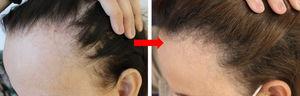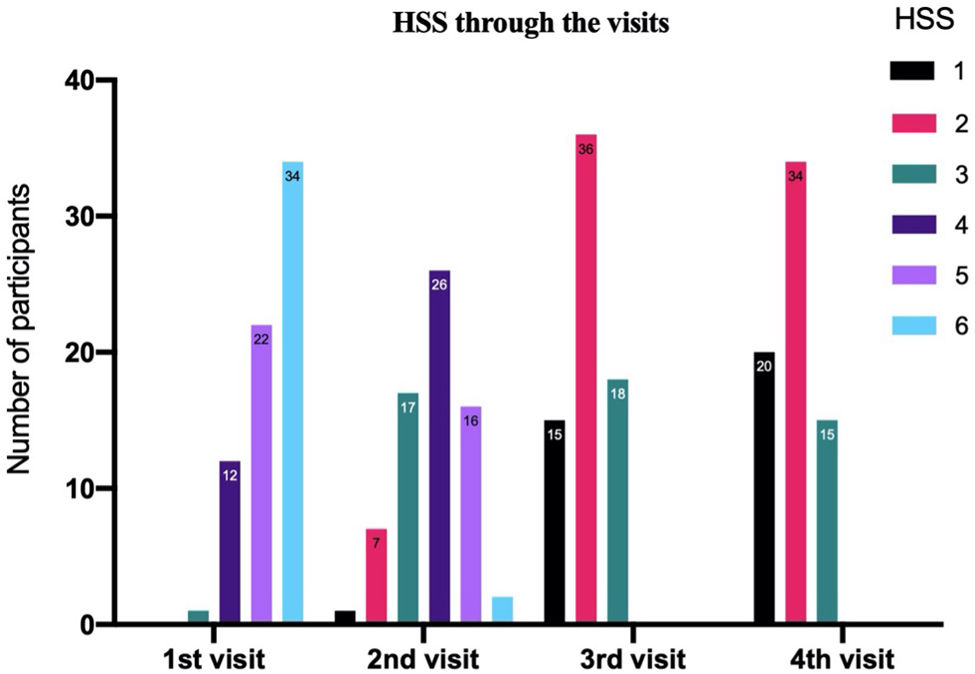
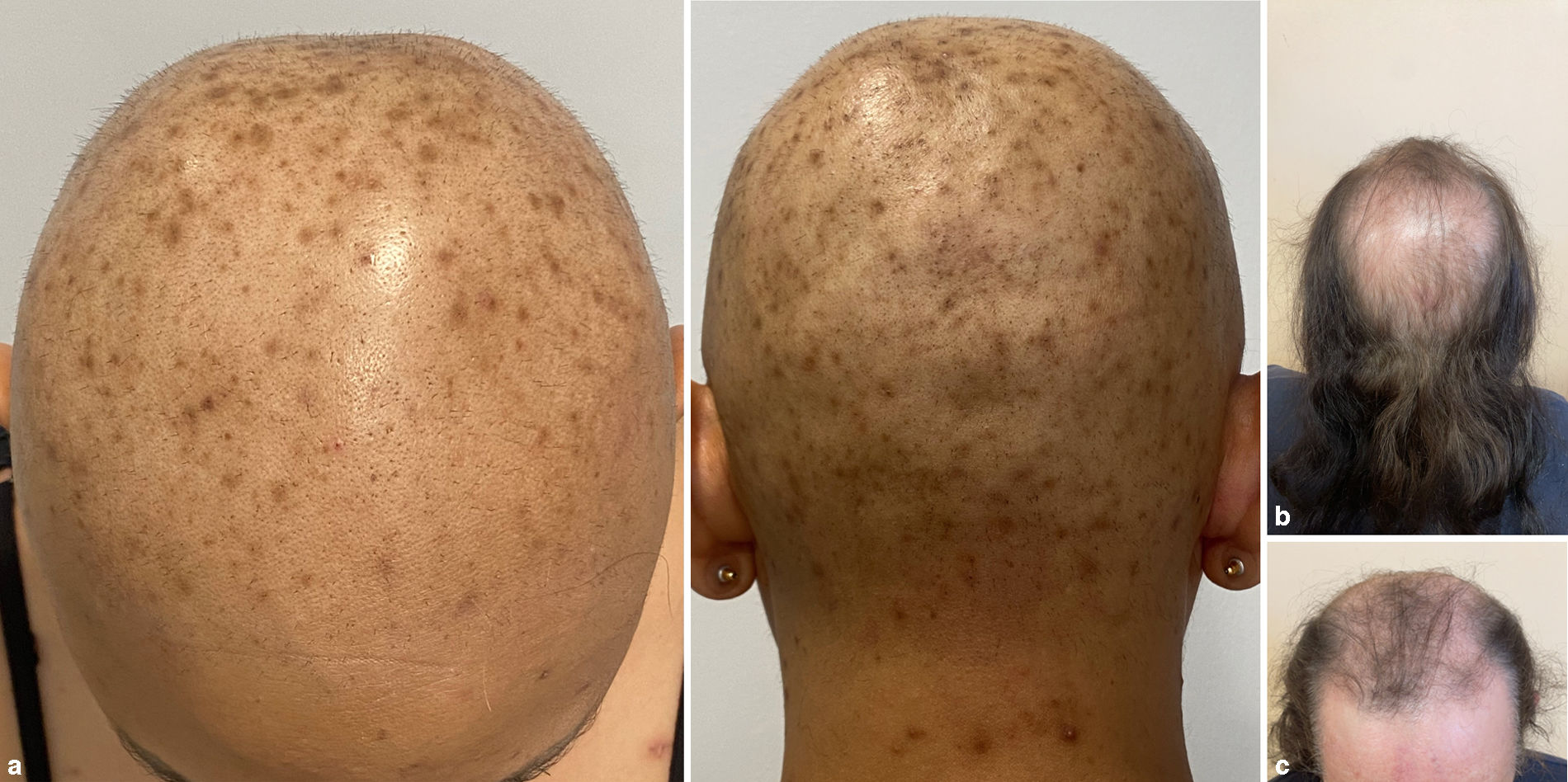
Chemotherapy-induced alopecia (CIA) is characterized by absent or incomplete hair regrowth after completion of chemotherapy. Alopecia that persists beyond 6 months after completing chemotherapy is defined as persistent chemotherapy-induced alopecia (PCIA). The incidence ranges from 0.9% to 43%. The drugs most frequently associated with PCIA are busulfan and taxanes (docetaxel/paclitaxel). The clinical spectrum is characterized by a noninflammatory alopecia with diffuse involvement and reduced hair shaft thickness. Trichoscopic evaluation is crucial before, during, and after chemotherapy. Up to 30% of patients, prior to initiating chemotherapy, present findings consistent with miniaturization, anisotrichia, and decreased hair density. Early detection of these findings may predict a guarded prognosis for hair regrowth, particularly in patients receiving adjuvant antiestrogen hormonal therapy. Trichoscopy provides information on the phase of treatment during chemotherapy and the expected regrowth findings after its completion. Currently, there are therapies with evidence supporting their role in preventing hair loss prior to chemotherapy, such as scalp cooling therapies, without increasing the risk of metastatic disease and with a significant impact on quality of life. Topical minoxidil 2–5% and low-dose oral minoxidil (1.25–5mg) have shown promising results in promoting hair regrowth in patients with PCIA. There is evidence that spironolactone promotes hair growth and reduces the progression of alopecia, although there are no studies evaluating it as monotherapy in PCIA. It is essential to standardize treatment response measures with trichoscopic follow-up to guide decision-making regarding therapeutic management in patients with PCIA.