
Introduction
Epidermal growth factor receptor (EGFR) tyrosine kinase inhibitors (TKIs) are the current first-line therapy for non-small cell lung cancer (NSCLC). Acneiform rash is a common adverse effect of this treatment, leading to treatment interruption and affecting the patients’ quality of life.
Methods
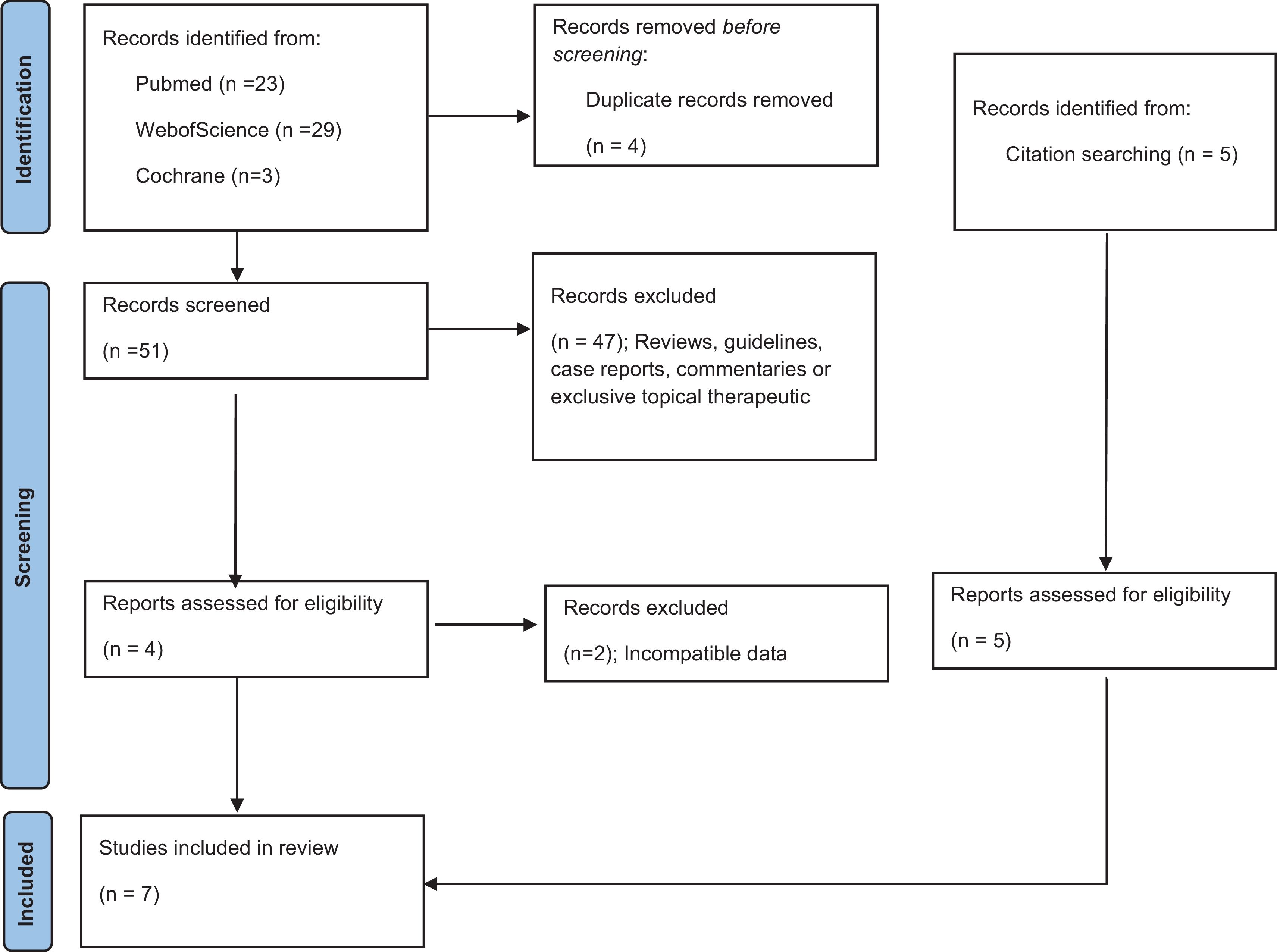
We conducted a systematic review to assess the role of oral tetracyclines in the prevention of acneiform rash on patients with NSCLC on EGFR TKIs. We conducted a search across Pubmed, Web of Science and Cochrane databases in January 2025. Studies were included if they evaluated prophylactic treatment with oral tetracyclines for acneiform rash in patients with non-small cell lung cancer initiating concomitant epidermal growth factor receptor tyrosine kinase inhibitor therapy.
Results
Two of the 7 selected studies found tetracyclines to reduce all-grade rash – doxycycline (74.2% to 57.2%) and tetracycline (75.6–44.5%; p=0.046). Two found tetracyclines did not reduce all-grade rash but were effective in reducing high-grade rash – doxycycline (19–4%; p<0.001) and minocycline (28–12%; p=0.0455). Single-arm studies reported varying rash incidences rates with minocycline (from 44.8% to 68.3%), inferior to those found in the major trials used for comparison (67% and 77.7%).
Conclusion
Oral tetracyclines appear to reduce the incidence of all-grade acneiform rash or, alternatively, to decrease the incidence of high-grade rash. Preventive treatment for acneiform rash at the initiation of epidermal growth factor receptor tyrosine kinase inhibitor therapy should therefore be considered. Further controlled trials are needed to confirm the efficacy of oral tetracyclines in preventing acneiform rash.